Local SEO for Healthcare Practices: The Ultimate Guide to Higher Rankings and More Patients in 2026
-
 James Walker
Table of Contents:
- What Is Local SEO for Healthcare Practices?
- How Patients Search for Healthcare Providers Today
- How Is AI Reshaping Local Healthcare SEO?
- 12 Proven Local SEO Strategies for Healthcare Practices
- Conclusion
- FAQ
In today’s highly competitive healthcare market, simply having a website is not enough. Patients search online before choosing a healthcare provider. This is where local SEO for healthcare practices becomes essential.
Local SEO helps medical practices appear in Google Search, Google Maps, and local listings when patients search for services like “dermatologist near me” or “best orthopedic doctor in Washington.”
With increasing competition and the rise of AI-powered search, healthcare providers must adopt advanced strategies to stay visible and attract more patients. In this guide, we will explore 12 proven local SEO strategies to improve visibility, rankings, and patient acquisition.
What Is Local SEO for Healthcare Practices?
Local SEO for healthcare practices is the process of optimizing a medical website and online presence to appear in local search results when patients look for nearby healthcare services.
It focuses on:
- Google Business Profile optimization
- Local keyword targeting
- Online reviews and reputation management
- Location-based landing pages
- Local citations and directories
The goal is simple: increase visibility in local search results and attract more patients.
For example, when someone searches
- “ENT specialist near me”
- “best dermatology clinic in Newyork”
- “orthopedic surgeon nearby.”
Google shows local results based on proximity, relevance, and authority.
How Patients Search for Healthcare Providers Today
Today’s patients typically begin their healthcare journey online. Before booking an appointment, they search on Google, browse Google Maps listings, read reviews, and compare providers.
Key trends include:
- Growing use of “doctor near me” searches
- Mobile-first healthcare research
- Heavy reliance on online reviews
- Faster decision-making based on search results
These behaviors make local SEO for healthcare practices essential for attracting new patients. Whether it is private equity, a clinic, a hospital, or local SEO for medical business, appearing in search results can significantly influence patient acquisition.
How Is AI Reshaping Local Healthcare SEO?
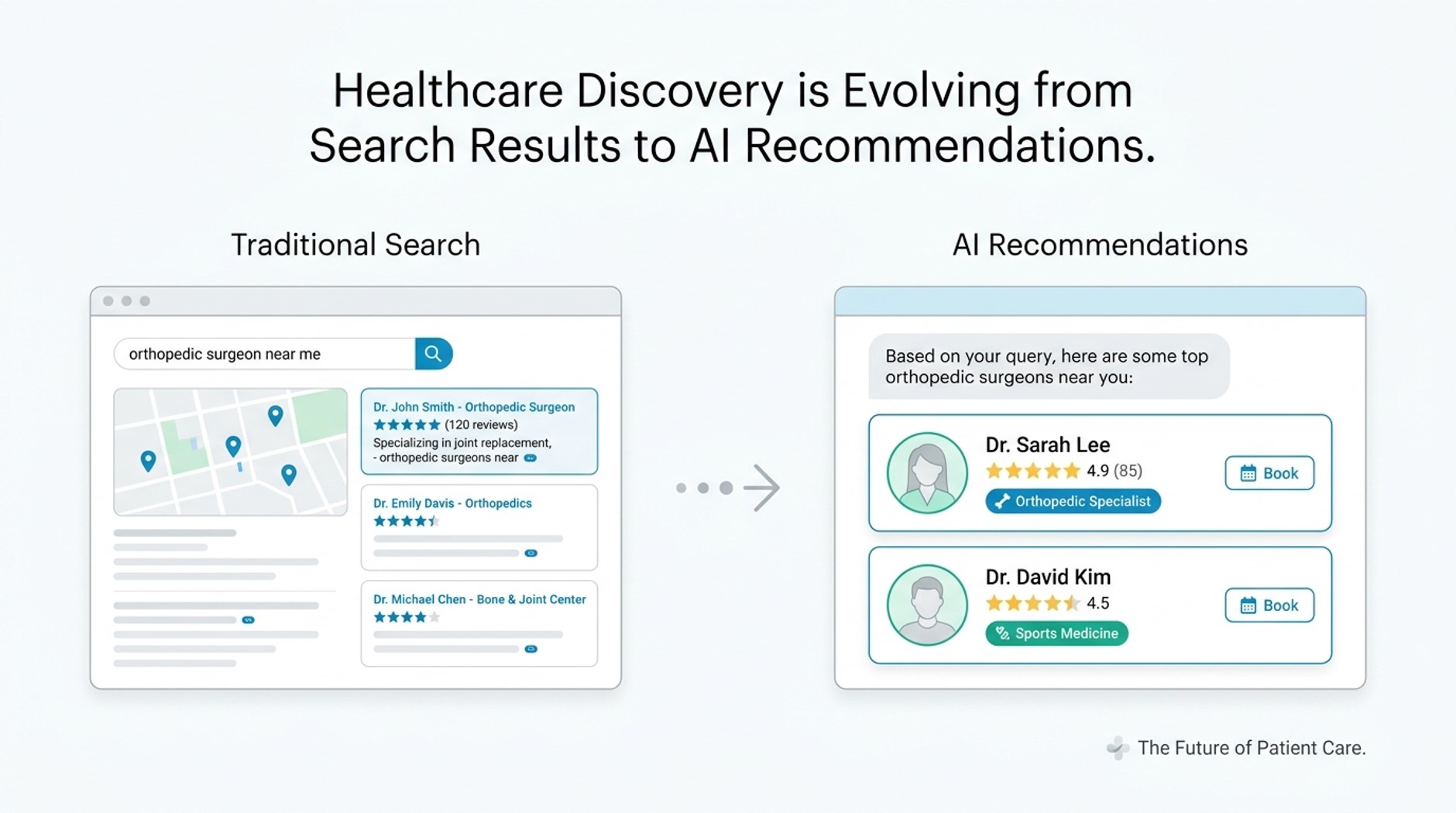
Artificial intelligence is transforming how patients discover healthcare providers online. Google’s AI Overviews and generative search results are changing traditional SEO strategies.
Here’s how AI impacts local healthcare SEO:
1. AI-powered search results
Google now provides summarized answers instead of just listing websites.
2. Entity-based ranking
Search engines prioritize trusted healthcare entities over keyword stuffing.
3. Personalized results
AI tailors results based on user behavior, location, and search history.
4. Voice search integration
Patients increasingly use voice assistants like Siri and Google Assistant.
5. Content relevance over keywords
High-quality, authoritative content ranks better than outdated SEO tactics.
To stay competitive, healthcare practices must focus on:
- Authority building
- Patient-focused content
- Strong local signals
- Consistent online presence
12 Proven Local SEO Strategies for Healthcare Practices
1. Optimize Your Google Business Profile
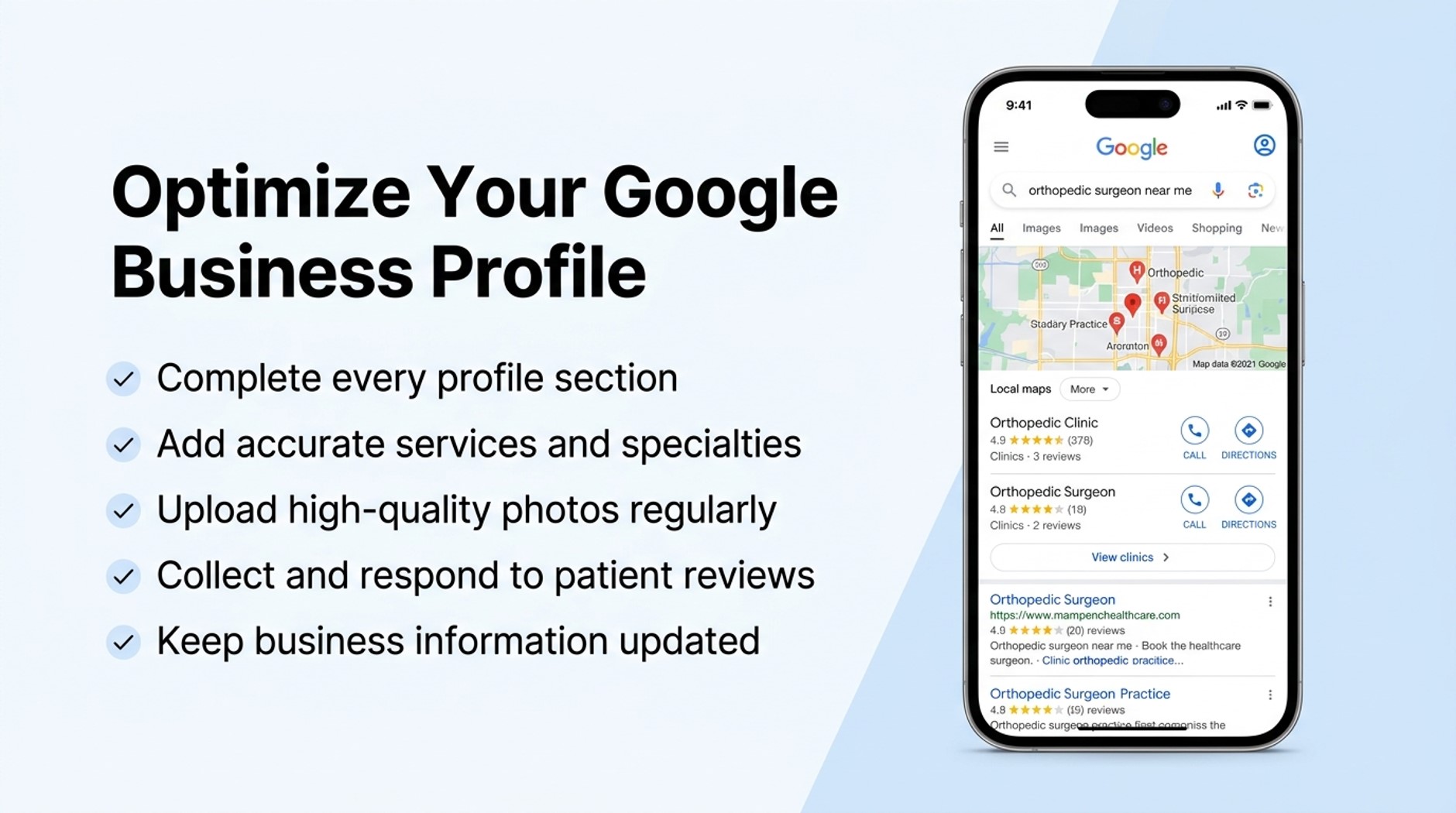
Your Google Business Profile (GBP) is the foundation of local SEO for healthcare practices. It directly influences your visibility in Google Maps, local search results, and the coveted Local Pack.
To maximize performance:
- Add accurate business information, including clinic name, address, phone number, and website.
- Select the most relevant primary and secondary categories.
- Upload high-quality photos of your clinic, staff, equipment, and facilities.
- Publish regular updates, announcements, and healthcare tips through Google Posts.
- Enable appointment booking and messaging features where available.
A fully optimized Google Business Profile helps Google understand your practice and increases the likelihood of appearing when patients search for healthcare services in your area.
2. Build High-Converting Location Pages
Location pages are essential for practices serving multiple cities, neighbourhoods, or regions. Instead of creating generic pages, develop unique, informative pages tailored to each location.
Examples:
/orthopedic-clinic-dallas
/dermatology-clinic-atlanta
Each page should include:
- Location-specific keywords
- Detailed service information
- Provider profiles
- Patient testimonials
- Embedded Google Maps
- Local FAQs
Well-optimized location pages help search engines connect your services with specific geographic areas while providing patients with relevant information that encourages appointment bookings. This is also an effective way to optimize a medical website for local searches and improve local relevance.
3. Strengthen NAP Consistency
NAP stands for Name, Address, and Phone Number. Consistency across all online platforms is a critical local ranking factor.
Ensure your NAP information is identical on:
- Your website
- Google Business Profile
- Healthcare directories
- Social media profiles
- Local business listings
Even small discrepancies can confuse search engines and reduce trust signals. Conduct regular audits to identify and correct outdated or inconsistent information across the web.
4. Generate More Patient Reviews
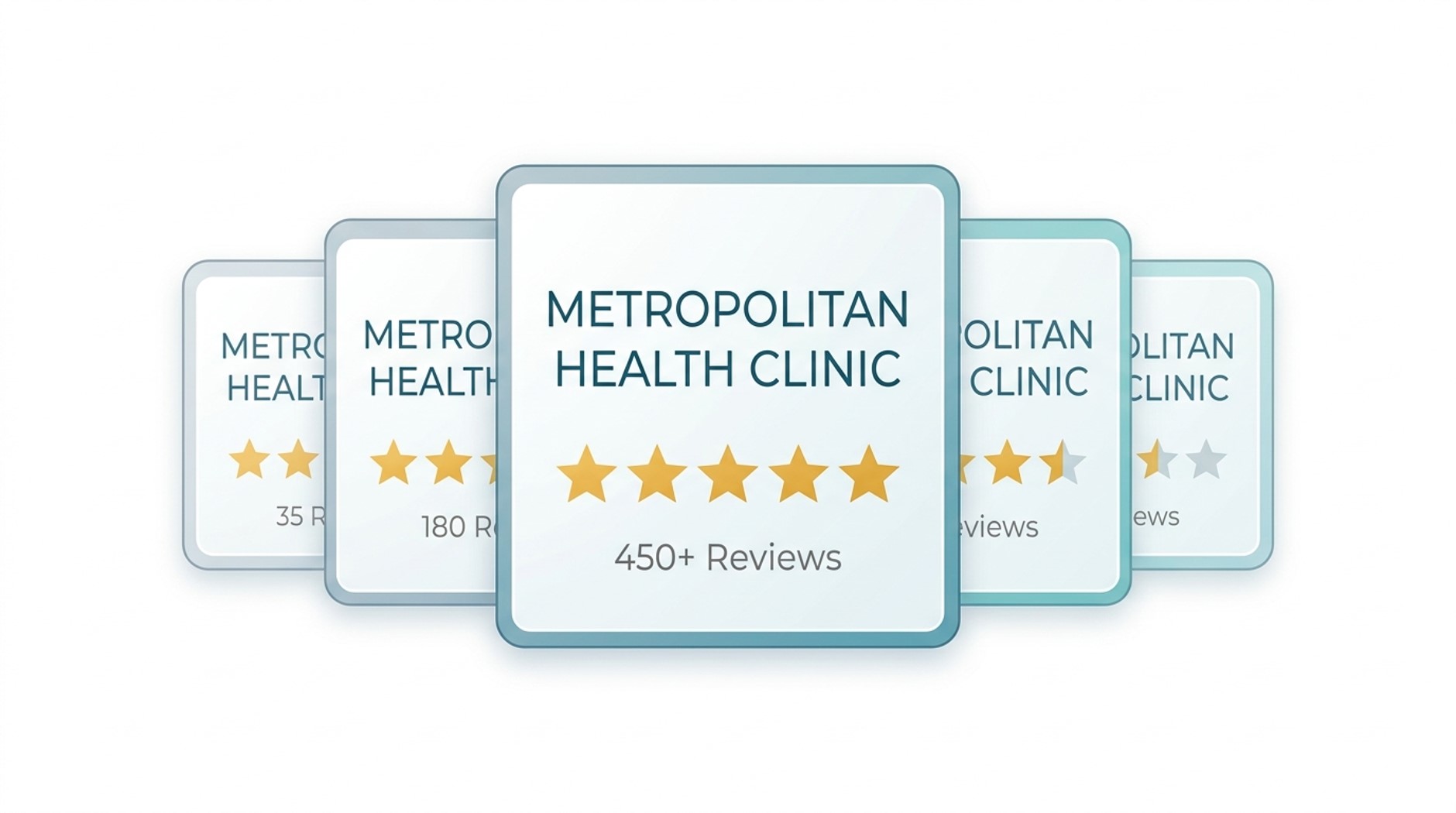
Online reviews are among the most influential factors in local healthcare SEO and patient decision-making.
To increase reviews:
- Ask satisfied patients for feedback after appointments.
- Send automated review requests via email or SMS.
- Make the review process simple and accessible.
- Respond professionally to both positive and negative reviews.
Beyond improving rankings, reviews provide valuable social proof that helps prospective patients feel confident in choosing your practice. Practices with a steady stream of authentic reviews often outperform competitors in local search results.
5. Create Specialty-Specific Content
Publishing content tailored to your specialties helps establish topical authority and attract highly qualified traffic.
Examples include:
- “Best Treatment Options for Chronic Knee Pain”
- “How to Choose the Right Dermatologist for Acne Treatment”
- “Signs You Should Visit an ENT Specialist”
Focus on answering common patient questions, explaining procedures, and addressing local healthcare concerns. This type of content not only improves rankings but also positions your providers as trusted experts in their field.
6. Improve Mobile Experience
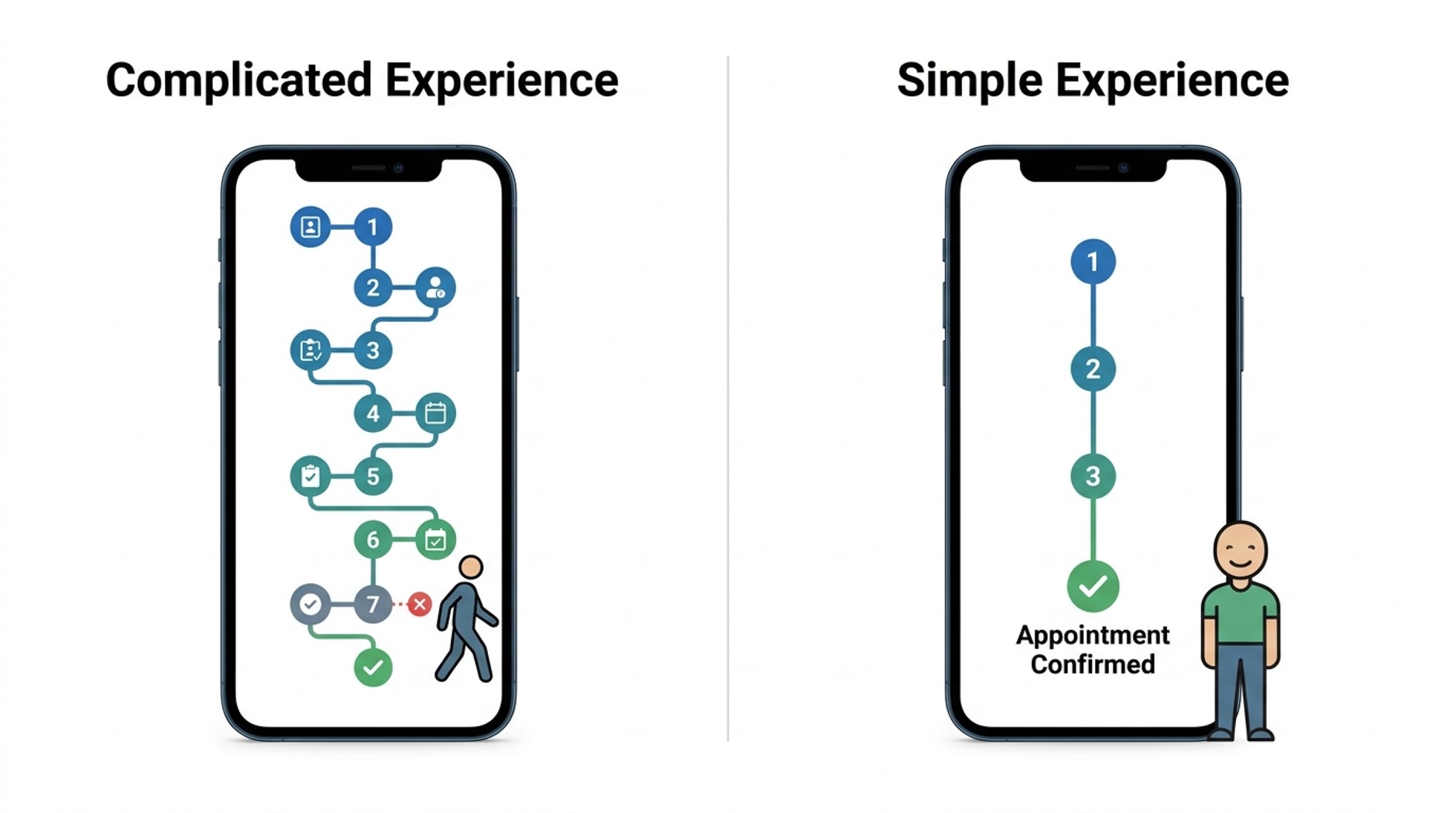
Most healthcare searches now occur on smartphones, making mobile optimization essential.
Your website should:
- Load in under three seconds
- Display properly on all screen sizes
- Offer click-to-call functionality
- Provide easy appointment scheduling
- Feature intuitive navigation
A poor mobile experience can increase bounce rates and reduce conversions, while a fast, user-friendly website improves both rankings and patient engagement.
7. Implement Healthcare Schema Markup
Healthcare schema markup helps search engines better understand your practice, providers, services, and locations.
Consider implementing:
- Medical Organization schema
- Physician schema
- Local Business schema
- FAQ schema
- Review schema
Schema can enhance your search listings with rich results, making them more visible and attractive to potential patients. It also improves your chances of appearing in AI-generated search responses and featured snippets.
8. Build Local Citations
Local citations are online mentions of your practice’s business information. They help validate your legitimacy and strengthen local search signals.
Focus on listings in:
- Healthcare directories
- Local business directories
- Chamber of Commerce websites
- Insurance provider directories
- Industry-specific platforms
Quality matters more than quantity. Prioritize authoritative and relevant directories that patients actually use when searching for healthcare providers. Strong citations are a core component of medical local seo strategies.
9. Optimize for Google Maps
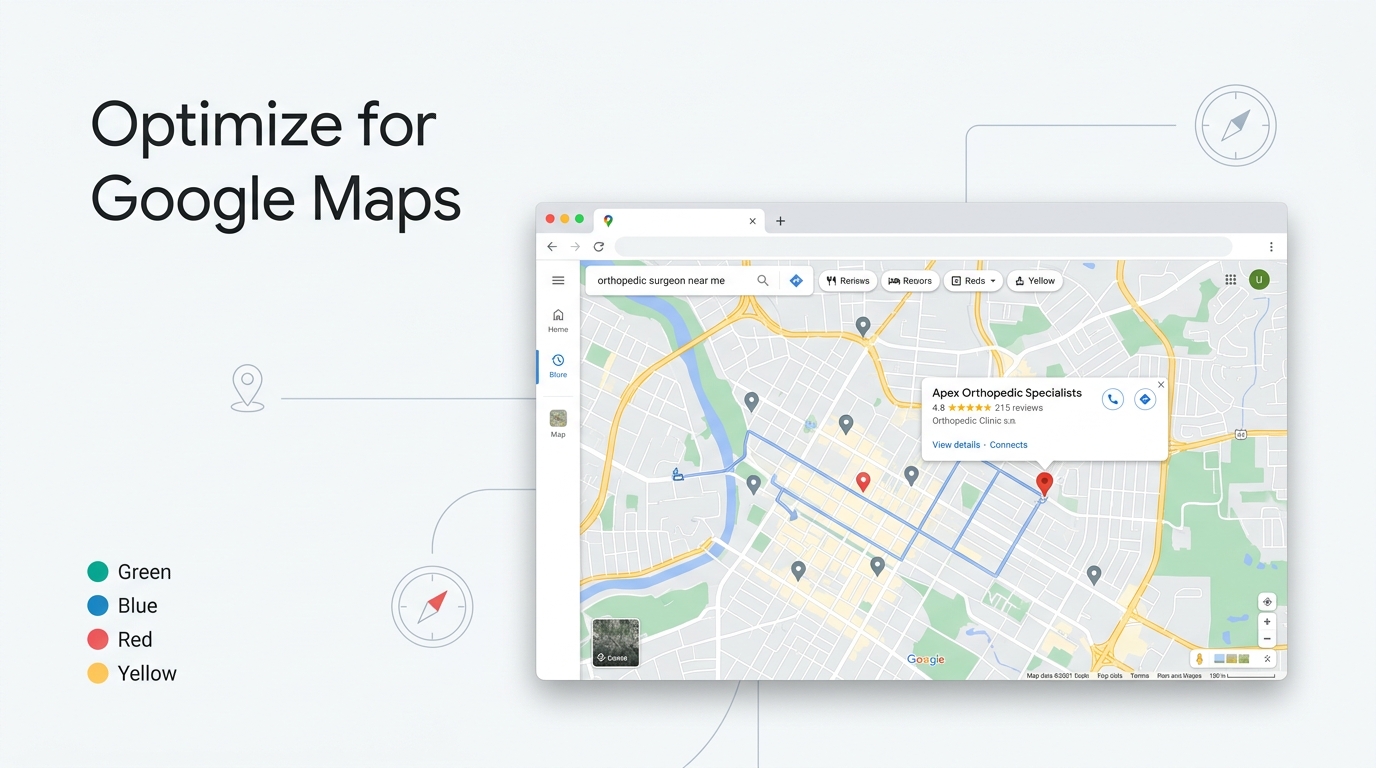
Google Maps has become one of the most important patient acquisition channels for healthcare practices.
To improve map rankings:
- Maintain accurate location information
- Collect consistent patient reviews
- Upload fresh photos regularly
- Use relevant business categories
- Encourage patient engagement
Practices that actively manage their Google Business Profile often achieve stronger visibility in map results and attract more local patients.
10. Leverage Healthcare Social Media Signals
While social media is not a direct ranking factor, it plays an important role in increasing visibility, engagement, and brand awareness.
Effective healthcare social media strategies include:
- Sharing educational content
- Highlighting patient success stories
- Promoting community involvement
- Publishing healthcare tips and updates
- Driving traffic back to your website
An active social presence can amplify your content, generate branded searches, and strengthen your overall digital footprint.
11. Create Local Backlinks
Backlinks remain one of the strongest authority signals in SEO. For healthcare practices, local backlinks are particularly valuable because they reinforce geographic relevance.
Potential backlink sources include:
- Local news publications
- Community organizations
- Healthcare associations
- Medical blogs
- Local event sponsorships
- Universities and educational institutions
Focus on earning links naturally through partnerships, community involvement, expert contributions, and valuable content. High-quality local backlinks can significantly improve local rankings and domain authority.
12. Track Local SEO Performance
Successful local SEO for healthcare practices requires ongoing monitoring and optimization.
Track key metrics such as:
- Local keyword rankings
- Organic traffic growth
- Google Business Profile insights
- Appointment requests
- Conversion rates
- Google Maps visibility
Use tools like Google Analytics, Google Search Console, and GBP Insights to identify opportunities and measure results. Regular reporting helps ensure your strategy continues to generate patient growth and ROI.
Conclusion
Local SEO for healthcare practices is no longer optional. It is essential for patient acquisition in 2026 and beyond. With increasing competition and AI-driven search engines, healthcare providers must focus on visibility, trust, and authority.
By implementing the strategies above, medical practices can significantly improve rankings, attract more patients, and build long-term digital authority. From optimizing your Google Business Profile and creating location-specific pages to earning reviews and building local backlinks, every step contributes to stronger local search performance.
Organizations searching for the best healthcare local seo company should prioritize agencies with proven healthcare expertise, transparent reporting, and a strong understanding of patient search behavior.
Medclicx helps healthcare providers achieve exactly that through specialized services.
FAQs
What is local SEO for healthcare practices?
Local SEO for healthcare practices is the process of optimizing a medical practice’s online presence, so it appears in Google Search, Google Maps, and local search results when patients look for healthcare services nearby. It includes Google Business Profile optimization, local citations, patient reviews, location pages, and healthcare-focused content.
How can doctors rank higher on Google Maps?
Doctors can improve their Google Maps rankings by:
- Optimizing their Google Business Profile
- Collecting more positive patient reviews
- Maintaining consistent NAP (Name, Address, Phone Number) information
- Adding high-quality photos
- Building local citations and backlinks
- Creating location-specific content
These factors help increase visibility in Google’s Local Pack and Maps results.
What are the best local SEO strategies for multi-location healthcare practices?
Multi-location healthcare organizations should create dedicated location pages, maintain separate Google Business Profiles for each office, build local citations for every location, collect reviews individually, and develop localized content tailored to each service area.
Is local SEO worth it for small medical practices?
Absolutely. Local SEO is often one of the highest-ROI marketing channels for small healthcare practices because it targets patients actively searching for care. Even a single-location clinic can compete effectively by optimizing its local presence and building trust signals online.
Why is Google Business Profile important for healthcare practices?
A Google Business Profile is one of the most important local ranking factors for healthcare providers. It helps practices appear in Google Maps, local search results, and AI-generated search experiences. An optimized profile can significantly increase calls, appointment requests, website visits, and patient inquiries.
How long does local SEO take for a healthcare practice?
Most healthcare practices begin seeing measurable improvements within 3 to 6 months, although highly competitive markets may take longer. Factors such as website authority, competition, review volume, content quality, and backlink profile all influence results.
What are the most important local SEO ranking factors for doctors?
The top local SEO ranking factors include:
- Google Business Profile optimization
- Patient reviews and ratings
- NAP consistency
- Local citations
- High-quality healthcare content
- Local backlinks
- Mobile-friendly website performance
- Healthcare schema markup
Together, these signals help Google determine relevance and trustworthiness.
How do patient reviews affect local healthcare SEO?
Patient reviews influence both rankings and patient trust. Practices with more positive reviews often rank higher in local search results and receive more appointment requests. Reviews also provide fresh content and credibility signals that search engines value.
What is healthcare schema markup and why is it important?
Healthcare schema markup is structured data added to a website that helps search engines understand information about providers, services, locations, reviews, and FAQs. It can improve visibility in rich results, featured snippets, and AI Overviews.
Can AI Overviews impact healthcare SEO rankings?
Yes. Google’s AI Overviews are changing how healthcare information is displayed in search results. Practices that publish authoritative, accurate, and well-structured content are more likely to be referenced in AI-generated answers and gain additional visibility.
What is the difference between local SEO and traditional SEO for healthcare practices?
Traditional SEO focuses on improving visibility nationally or globally, while local SEO for healthcare practices targets patients within a specific geographic area. Local SEO emphasizes Google Maps, local keywords, reviews, citations, and location-based optimization.
How can healthcare practices optimize for AI search and ChatGPT recommendations?
To improve visibility in AI-powered search experiences, healthcare practices should:
- Publish expert-led content
- Demonstrate E-E-A-T (Experience, Expertise, Authoritativeness, Trustworthiness)
- Use healthcare schema markup
- Maintain accurate business information
- Earn authoritative backlinks
- Build strong online reviews and reputation signals
These factors increase the likelihood of being referenced by AI search engines, Google AI Overviews, and conversational AI platforms.
Let’s increase appointment bookings
At MedClicx, we help medical practices connect with more patients.

Senior Digital Marketing Strategist &
Healthcare SEO Consultant
James Walker is a Senior Digital Marketing Strategist and Healthcare SEO Consultant at MedClicx. He specializes in helping healthcare organizations and service-based businesses grow their online presence through SEO, content marketing, local SEO, AI search optimization, (GEO), technical SEO, website optimization, and digital marketing strategies.
Over the years, James has worked on improving organic visibility, lead generation, and brand authority by combining search engine optimization, website performance, content strategy, conversion optimization, and AI-ready content. His expertise also includes Google Business Profile optimization, schema markup, user experience (UX), analytics, and modern digital marketing best practices.
At MedClicx, James writes educational articles covering SEO, content marketing, digital marketing, AI search optimization, social media marketing, web design, advertising strategies, podcasts, and online business growth. His goal is to simplify complex marketing concepts and help businesses make data-driven decisions that generate sustainable long-term results.
- James Walker
- James Walker
- James Walker
- James Walker