Healthcare Email Marketing: Best Practices to Attract and Retain More Patients
-
 James Walker
Table of Contents:
- What Is Healthcare Email Marketing?
- Types of Healthcare Emails
- 15 Best Healthcare Email Marketing Practices
- Conclusion
- FAQs
Healthcare email marketing is one of the most effective ways for medical practices to communicate with patients, improve retention, and increase appointment bookings. Today, patients expect timely updates, reminders, and educational content from their providers.
This is where email marketing for medical practices becomes essential. When executed properly, it helps clinics, hospitals, and private practices stay connected with patients throughout their entire healthcare journey.
In this guide, we’ll explore what email marketing for healthcare is and the best email marketing strategies for doctors to grow their practice in 2026.
What Is Healthcare Email Marketing?
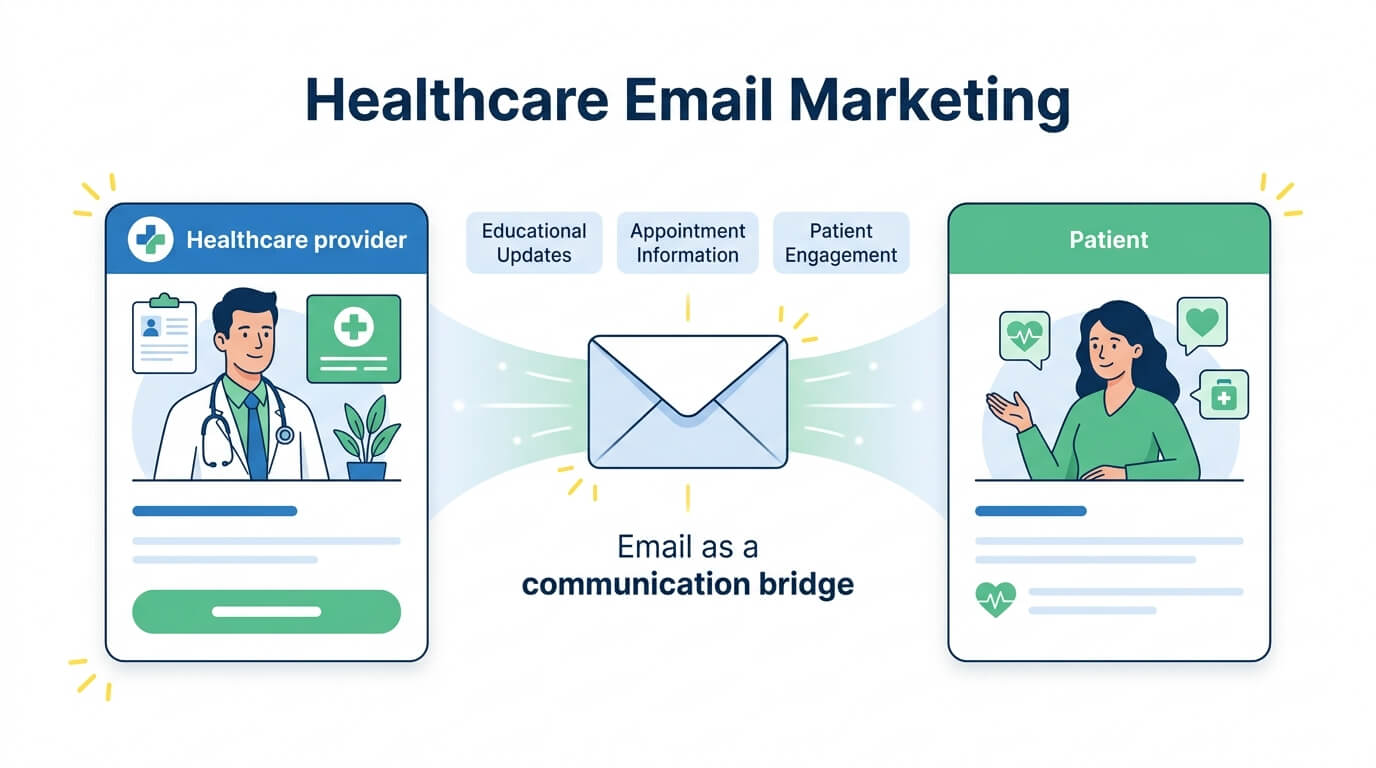
Healthcare email marketing is the use of email communication to engage patients, promote services, provide education, and improve the overall patient experience.
Healthcare organizations use email to:
- Share health-related information
- Send appointment reminders
- Educate patients on treatments
- Improve patient retention
- Promote new services
Unlike general marketing, healthcare communications must prioritize trust, privacy, and relevance. When done correctly, email remains one of the highest-ROI marketing channels available to healthcare providers.
Types of Healthcare Emails
Successful email marketing for healthcare uses multiple email types throughout the patient journey:
- Engagement Emails
Newsletters, updates, and practice announcements that keep patients informed and connected to your brand.
- Educational Emails
Health tips, preventive care guidance, treatment explanations, and wellness resources that help patients make informed decisions.
- Transactional Emails
Appointment confirmations, reminders, billing updates, and insurance notifications that support day-to-day patient communication.
- Feedback Emails
Post-visit surveys and review requests designed to improve patient experience and gather valuable insights.
- Promotional Emails
Announcements about new services, technologies, providers, or wellness programs offered by your practice.
15 Best Healthcare Email Marketing Practices
1. Create Engagement-Focused Email Campaigns
One of the most effective ways to build patient loyalty is through consistent engagement. Rather than only emailing patients when they need an appointment, create ongoing communication that provides value throughout the year.
Such as monthly newsletters, seasonal health updates, practice announcements, and community event invitations.
These types of healthcare email campaigns keep your practice visible and help strengthen patient relationships over time.
For example, a family medicine clinic might send a monthly newsletter featuring wellness tips, physician updates, and preventive care reminders.
2. Use Educational Emails to Build Trust
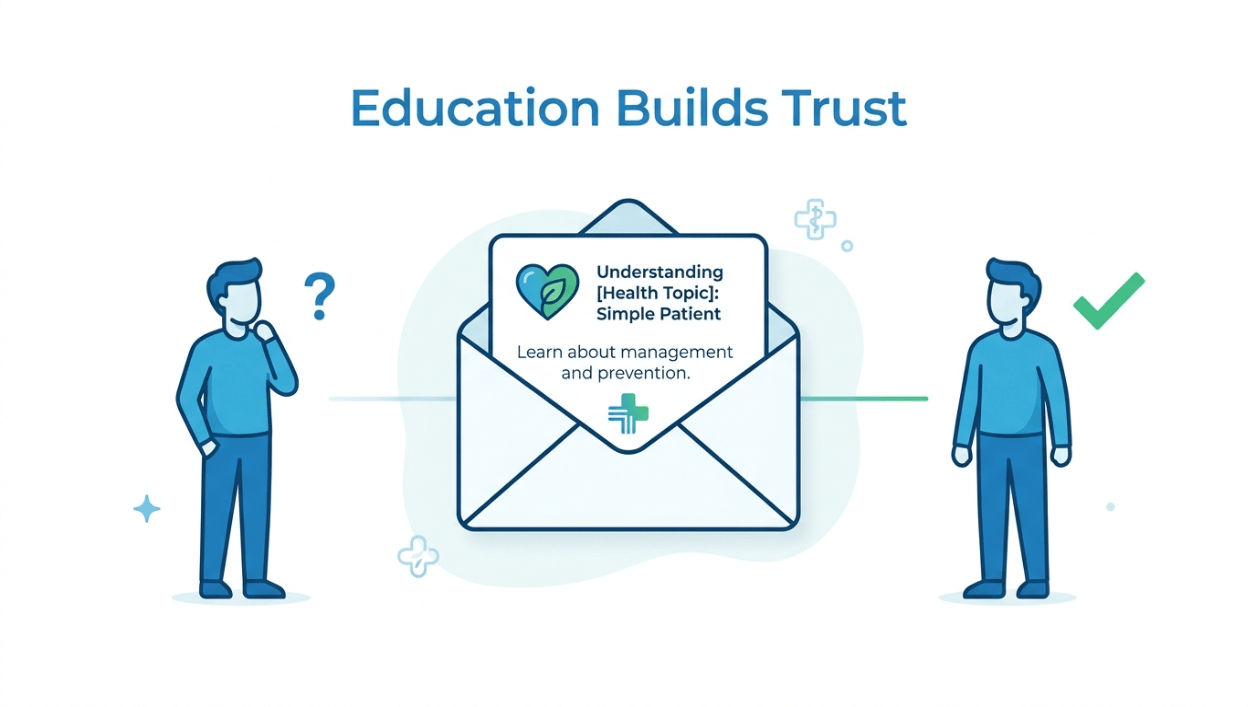
Educational content positions your practice as a trusted healthcare resource rather than just a service provider.
Patients are more likely to engage with providers who consistently offer valuable information that helps them make informed healthcare decisions.
Educational campaigns can include:
- Preventive care tips
- Chronic disease management advice
- Treatment explanations
- Recovery and post-procedure guidance
- Seasonal health awareness content
For example, a cardiology practice could send a series of emails about heart health awareness, healthy lifestyle habits, and warning signs patients should not ignore.
This is one of the best email marketing strategies for doctors because it builds credibility while improving patient outcomes.
3. Collect Patient Feedback Through Email
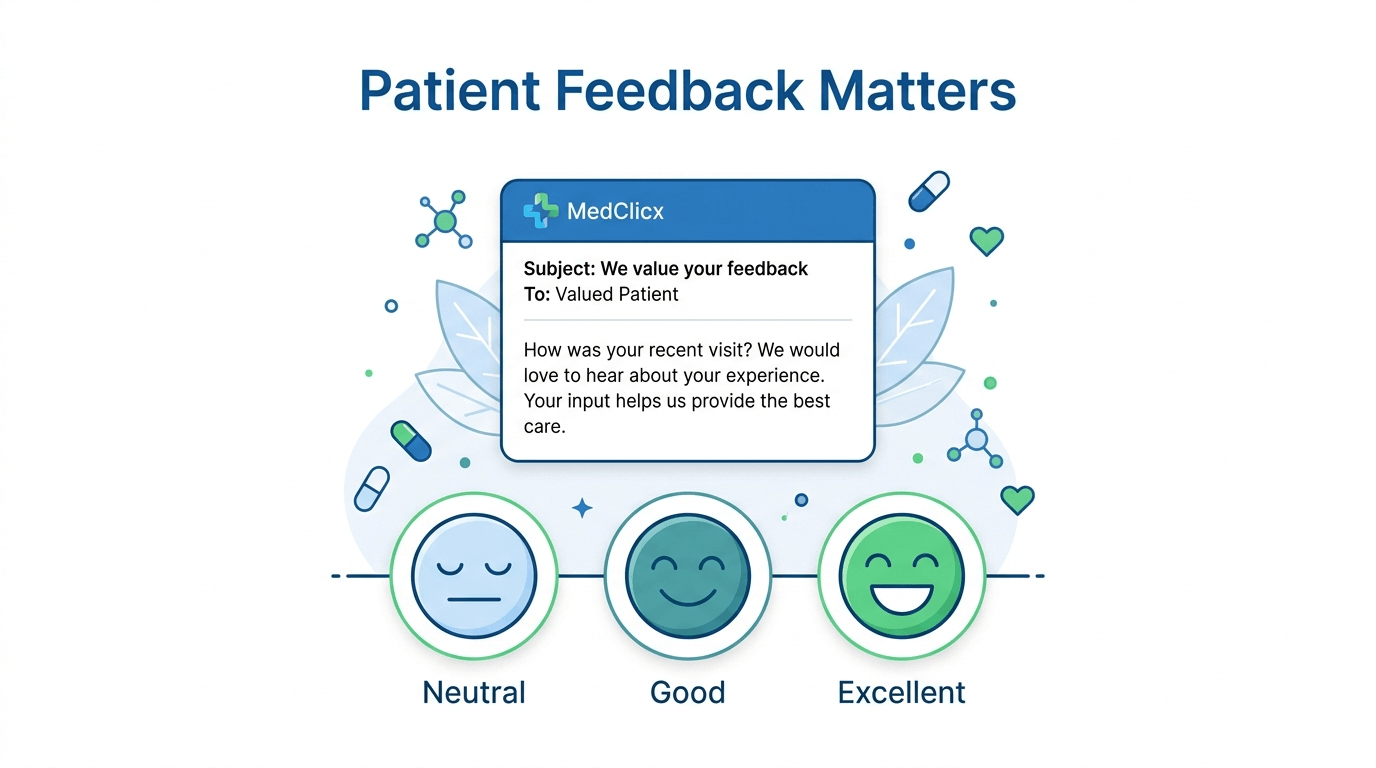
Patient feedback helps healthcare organizations identify strengths, uncover service gaps, and improve the overall patient experience.
Send automated surveys shortly after appointments while the experience is still fresh in the patient’s mind. Keep surveys short and easy to complete.
A common campaign example is a post-visit email asking patients to rate their experience, provide comments, and suggest improvements.
Over time, this feedback can help improve patient satisfaction and operational efficiency.
4. Promote New Services Strategically
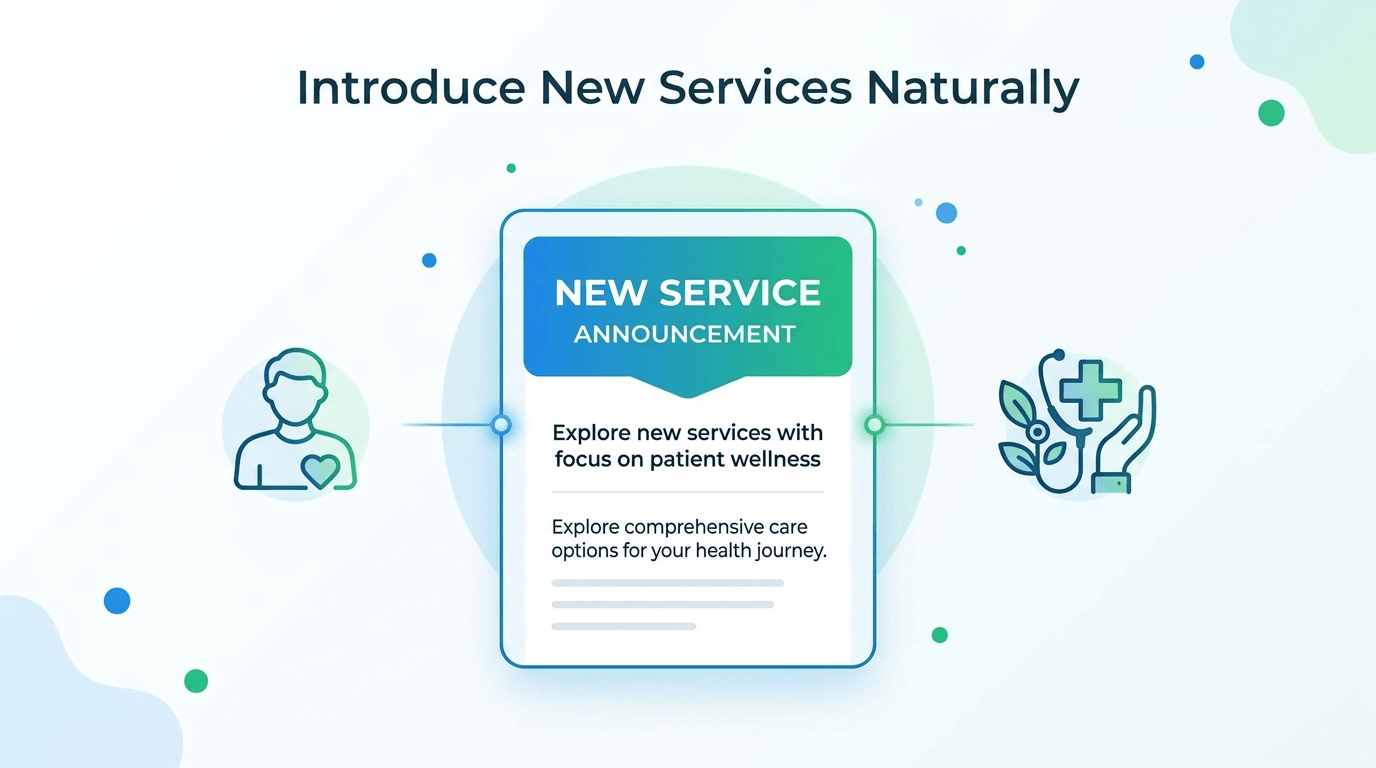
Patients cannot benefit from services they do not know exist. Email provides an excellent opportunity to introduce new treatments, technologies, providers, or wellness programs.
Instead of focusing solely on features, explain how the service solves a patient problem or improves outcomes.
For example, if your clinic introduces telehealth appointments, send an email explaining the convenience, accessibility, and situations where virtual visits may be appropriate. This approach makes promotional emails more informative and patient-centered.
5. Segment Your Email List for Better Results
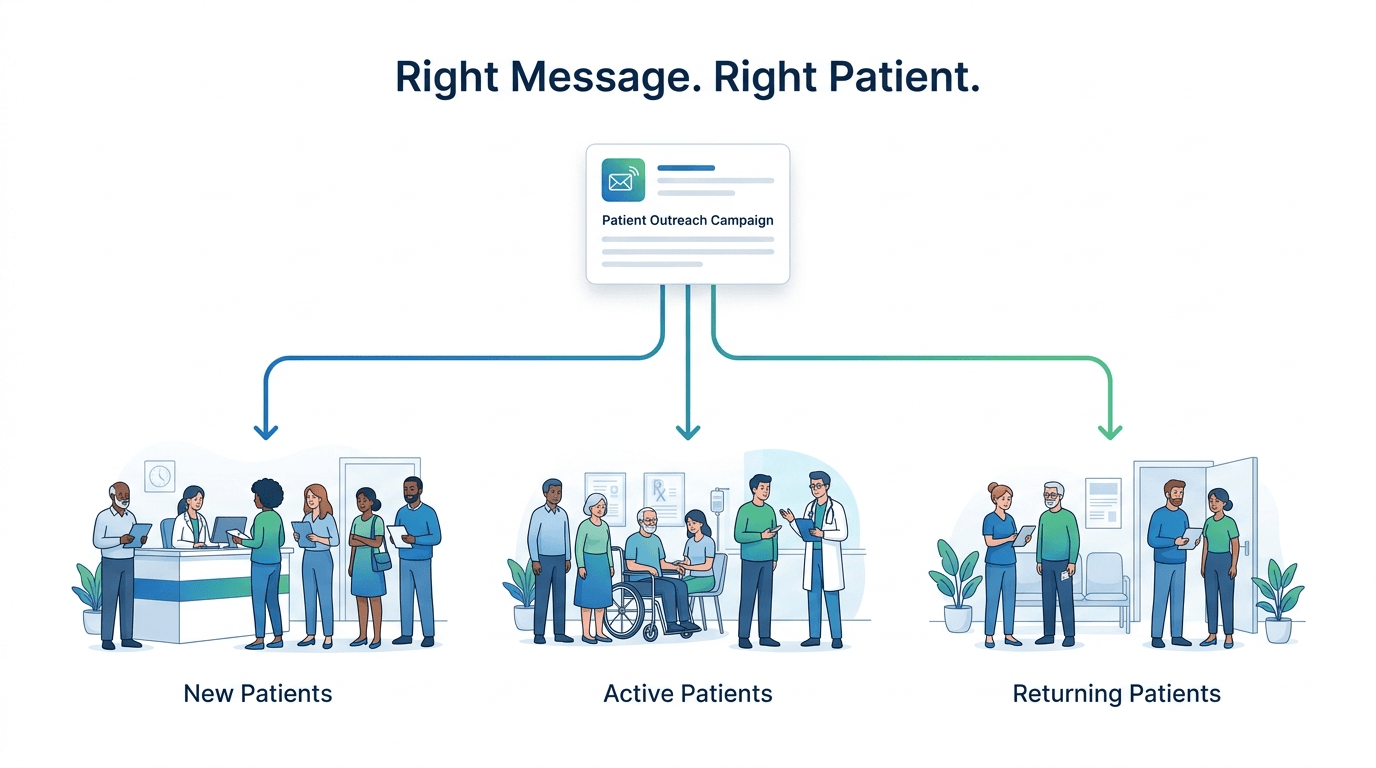
Not every patient should receive the same message. Segmentation allows healthcare providers to send highly relevant content based on patient demographics, conditions, interests, or appointment history.
Examples of patient segments include:
- New patients
- Existing patients
- Pediatric patients
- Chronic care patients
- Surgical patients
- Inactive patients
For example, a dermatology clinic may send skincare education to cosmetic patients while sending skin cancer screening reminders to high-risk patients.
Segmentation improves engagement because patients receive information that is directly relevant to their needs.
6. Personalize Every Patient Communication
Personalization goes beyond simply including a patient’s first name. Effective personalization uses patient preferences, appointment history, and healthcare interests to create more meaningful communication.
Patients are more likely to open and engage with emails that feel relevant to their situation.
For example, a patient who recently completed physical therapy may receive follow-up wellness exercises and recovery tips, while another patient receives preventive care reminders based on age and health history.
Personalization is a core component of successful medical email marketing because it improves both engagement and patient satisfaction.
7. Build Automated Welcome Sequences
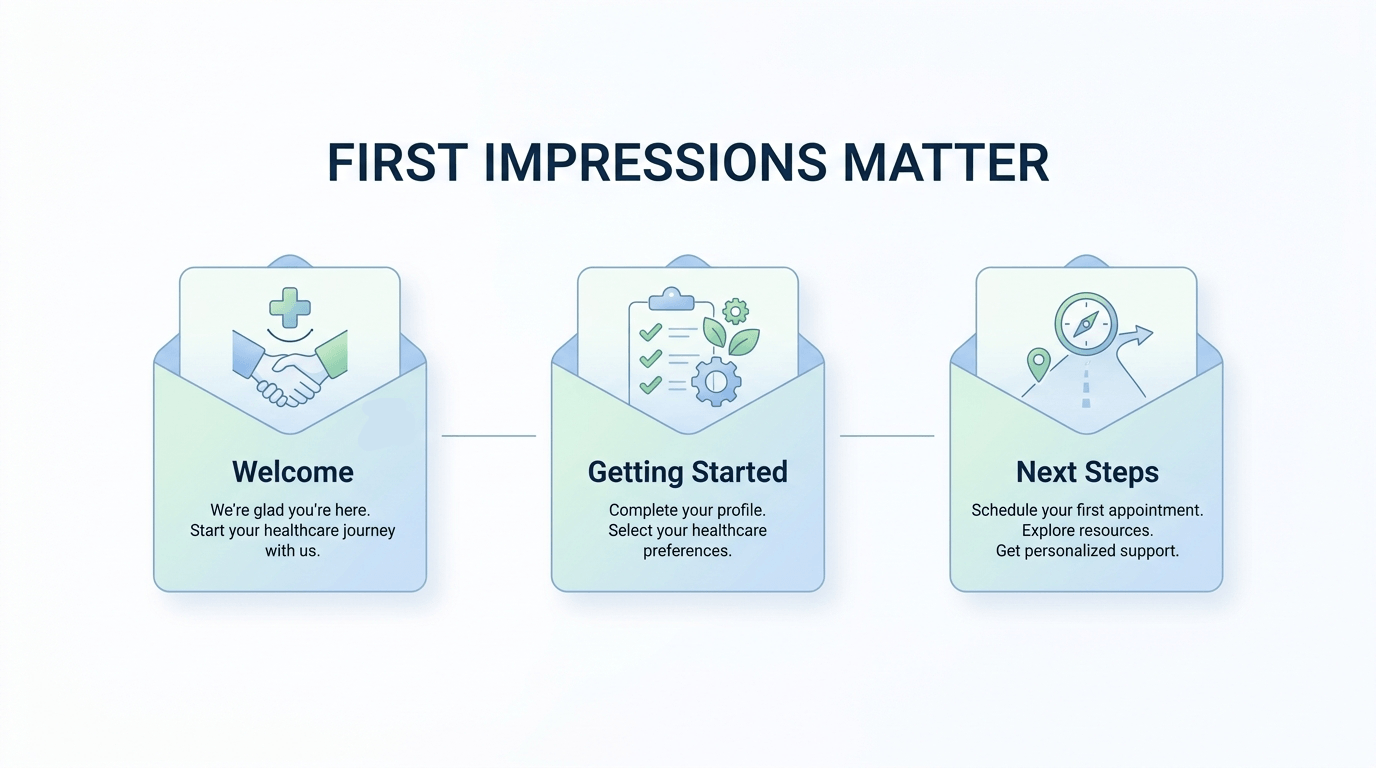
The patient relationship begins long before the first appointment. Automated welcome sequences help create a positive first impression and guide new patients through the onboarding process.
A welcome sequence may include:
- A thank-you email
- Introduction to providers
- Information about services
- Appointment preparation instructions
- Patient portal access details
For example, a new patient who schedules an appointment at your fertility clinic could automatically receive a three-email sequence introducing the practice and explaining what to expect during their visit.
8. Send Appointment Reminder and Transactional Emails
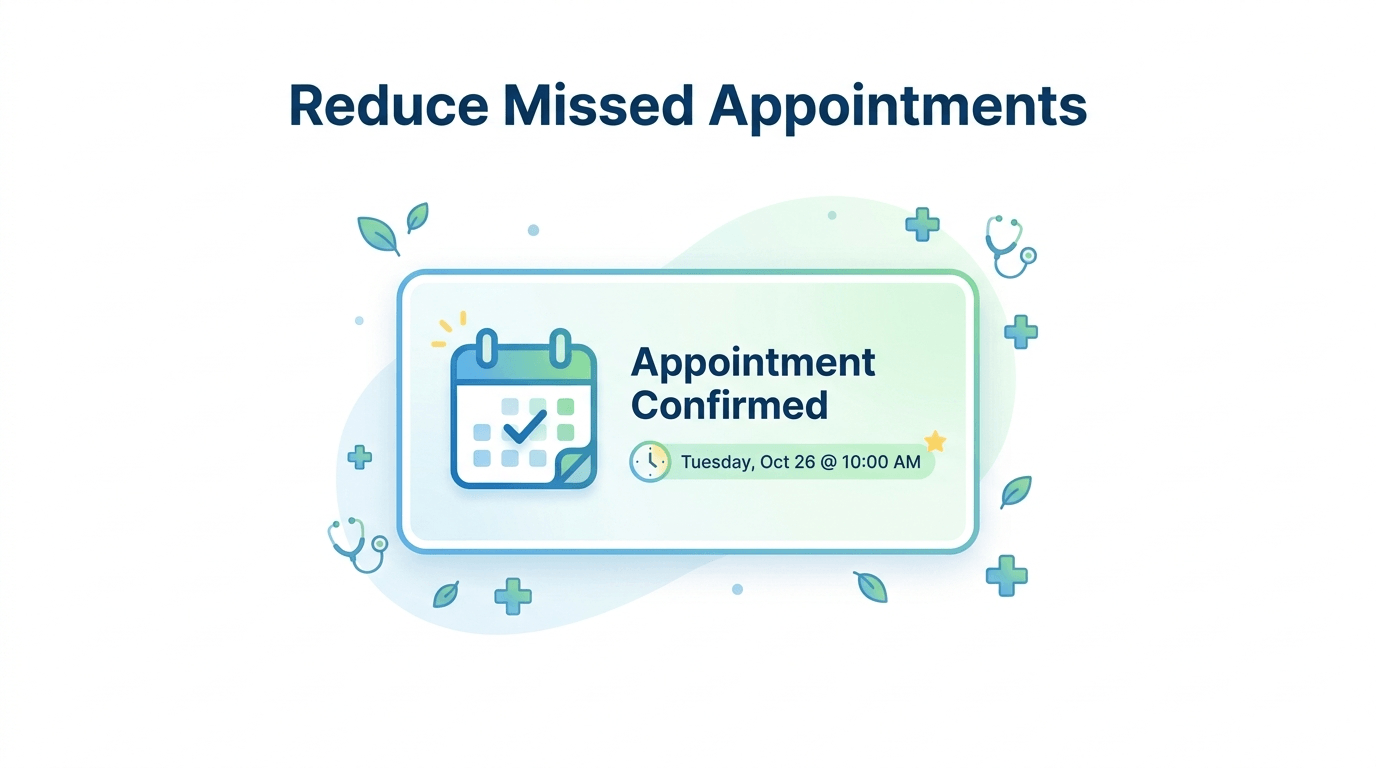
Appointment reminders are among the most valuable forms of email marketing for medical practices because they directly impact attendance rates and operational efficiency.
Automated transactional emails can include:
- Appointment confirmations
- Appointment reminders
- Follow-up instructions
- Billing notifications
- Insurance updates
A common healthcare email campaign example is a reminder sequence sent seven days, three days, and one day before an appointment. These reminders significantly reduce no-shows and improve patient compliance.
9. Use Reactivation Campaigns for Inactive Patients
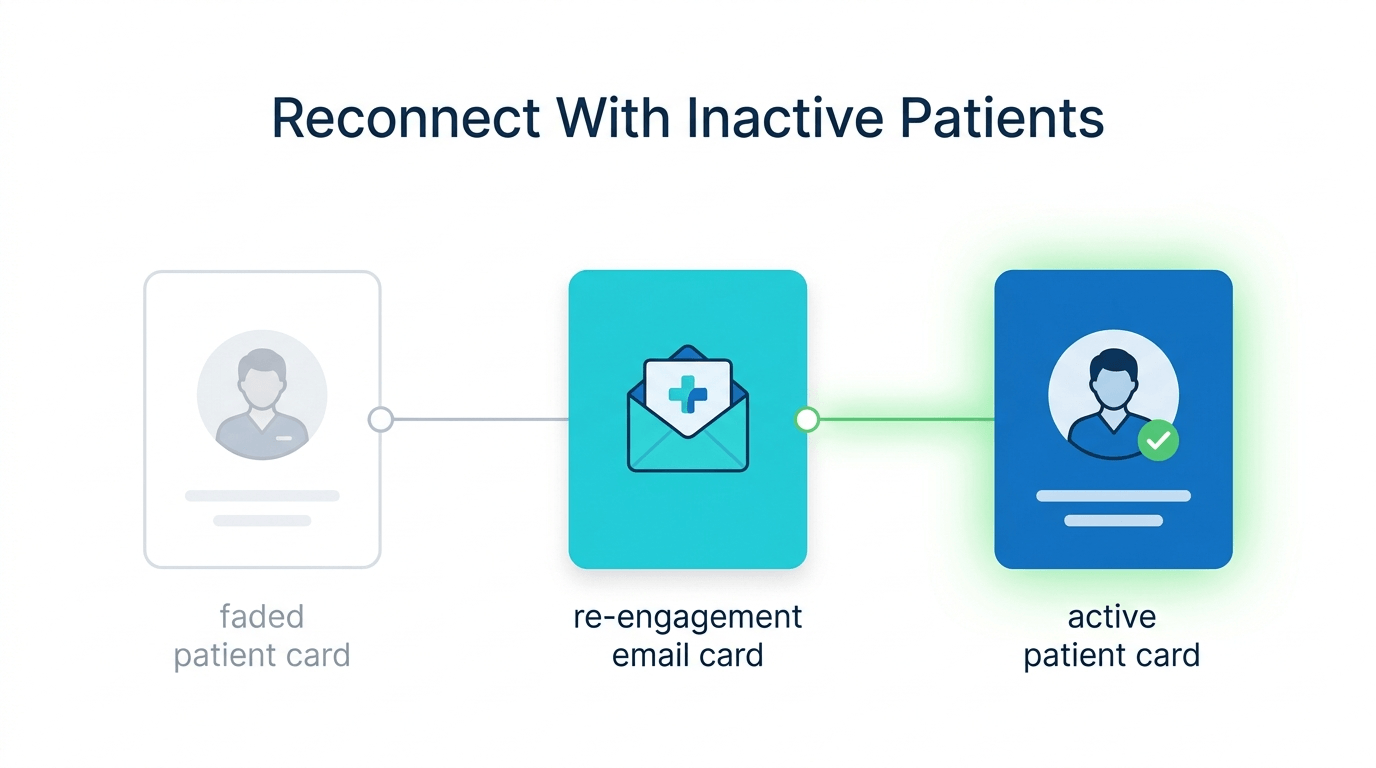
Many healthcare practices have patients who have not scheduled an appointment in months or even years. Reactivation campaigns help bring these patients back into care.
These campaigns can highlight:
- Annual wellness visits
- Preventive screenings
- Vaccination reminders
- Follow-up care recommendations
For example, an orthopedic clinic may send an email reminding inactive patients that they are due for an annual physical examination. Including an easy online scheduling link can further increase conversions.
10. Encourage Online Reviews Through Email
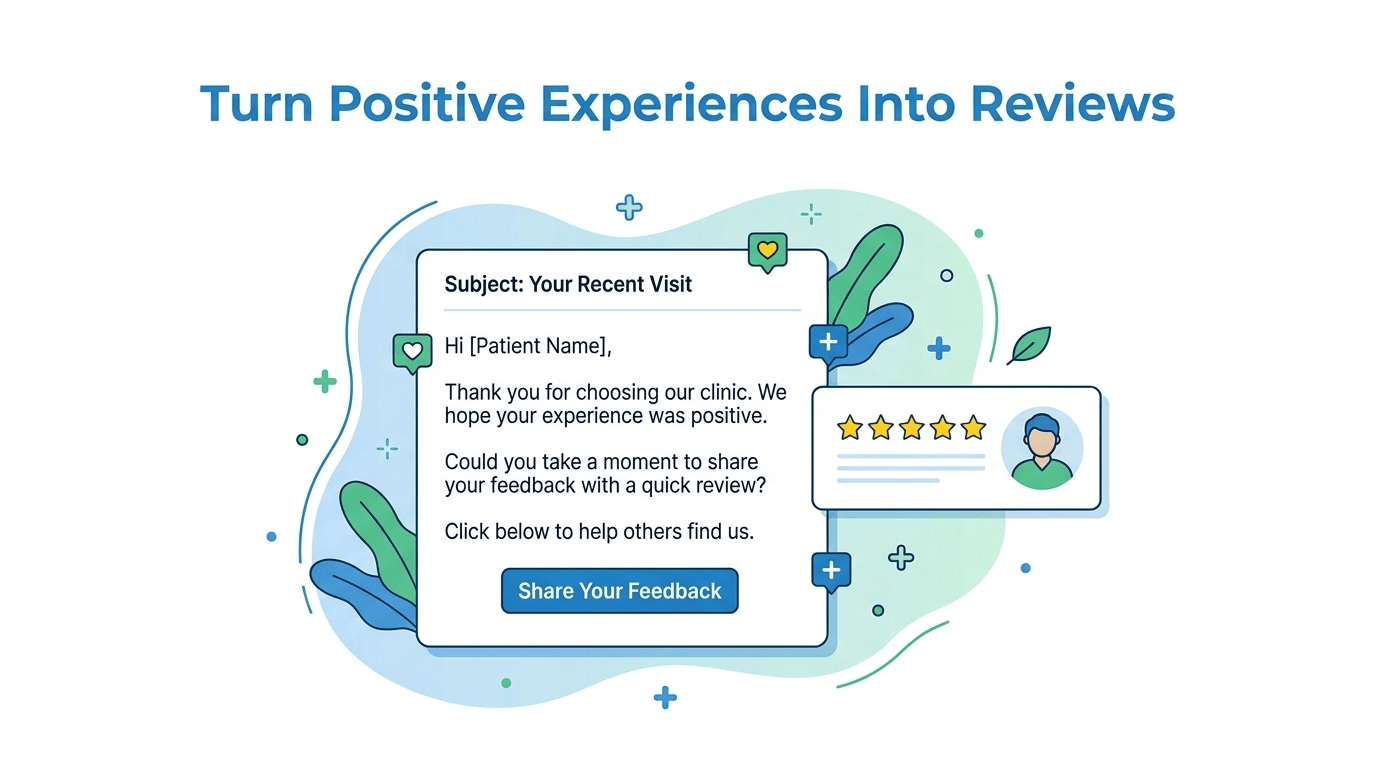
Online reviews play a major role in patient decision-making. Email provides a simple and effective way to request reviews from satisfied patients.
The best time to ask for a review is shortly after a positive patient interaction. Include direct links to review platforms and keep the request brief.
For example, a plastic surgeon may automatically send a review request email within 24 hours of a completed appointment, making it easy for patients to share their experience.
11. Make Emails Mobile-Friendly
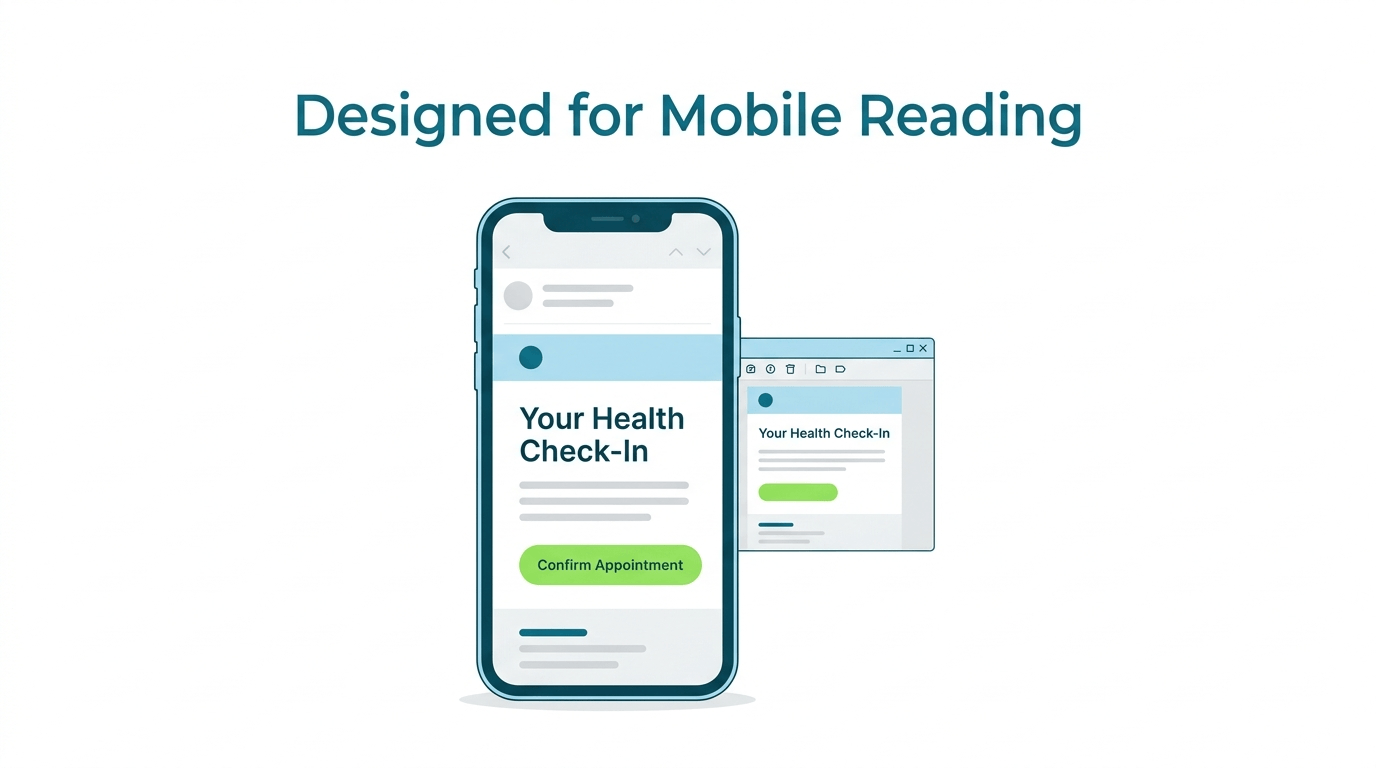
Most healthcare emails are opened on smartphones and tablets. If your emails are difficult to read or navigate on mobile devices, engagement rates will suffer.
To improve mobile performance:
- Use responsive email templates
- Keep paragraphs short
- Use large, clickable buttons
- Optimize images for mobile viewing
A mobile-friendly experience ensures patients can easily read content and take action regardless of the device they use.
12. Optimize Subject Lines and Calls-to-Action
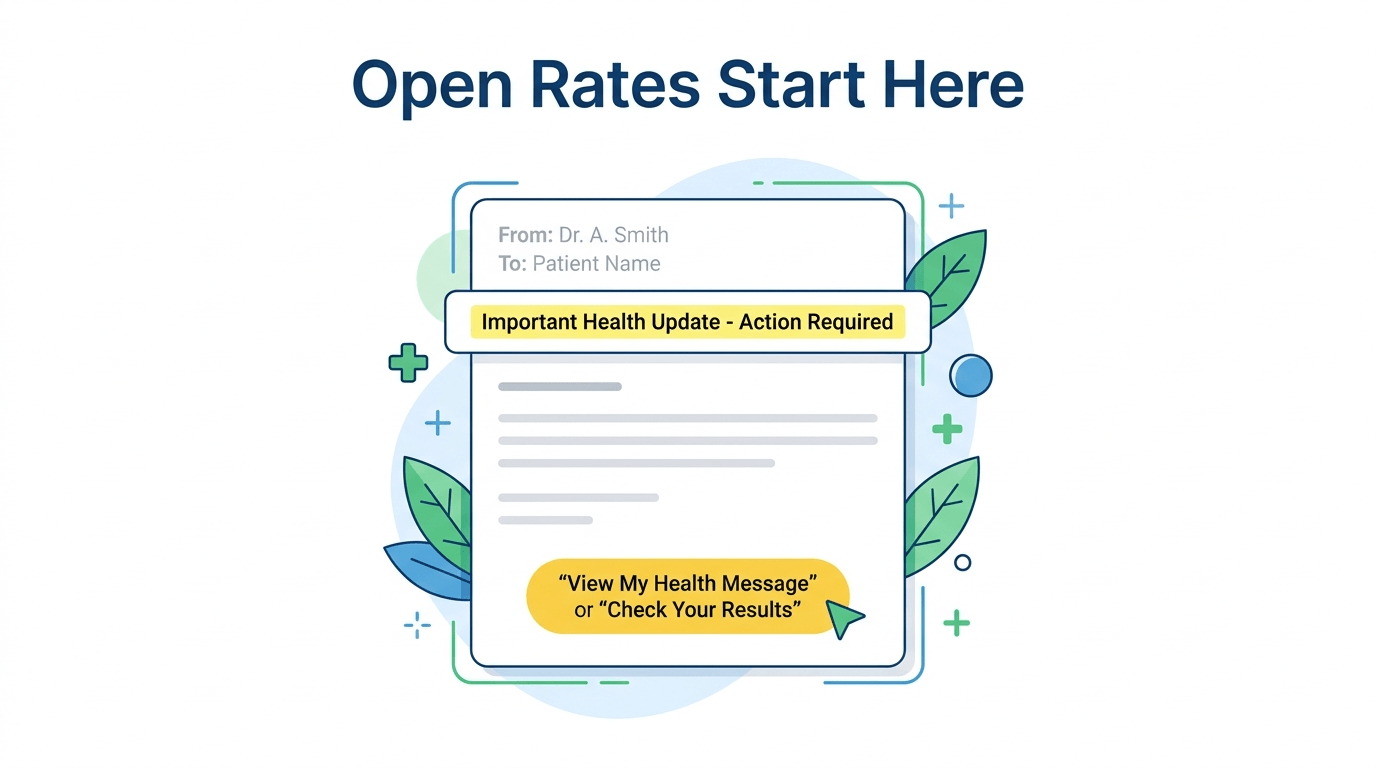
Even the best email content will fail if patients never open the message. Strong subject lines encourage opens, while clear calls-to-action guide patients toward the next step.
Examples include:
- Schedule Your Annual Checkup Today
- Time for Your Preventive Screening
- Meet Our New Specialist
Similarly, CTAs should be simple and action-oriented, such as “Book Appointment,” “Learn More,” or “Complete Survey.”
13. Maintain HIPAA Compliance
HIPAA-compliant email marketing is essential for protecting patient information and maintaining regulatory compliance.
Healthcare providers should:
- Use secure email platforms
- Obtain proper patient consent
- Avoid sharing protected health information unnecessarily
- Implement encryption when required
Compliance should be integrated into every aspect of your email marketing for healthcare strategy to protect both patients and your organization.
14. Leverage Healthcare Marketing Automation
Automation allows healthcare organizations to deliver timely, relevant communication without requiring constant manual effort.
Automated workflows can support:
- Welcome sequences
- Appointment reminders
- Educational campaigns
- Review requests
- Reactivation campaigns
For example, a patient who completes a LASIK can automatically receive recovery instructions, follow-up care guidance, and satisfaction surveys over the following weeks.
Many organizations partner with a healthcare email marketing agency to build sophisticated automation systems that improve efficiency and patient engagement.
15. Track and Improve Email Marketing Performance
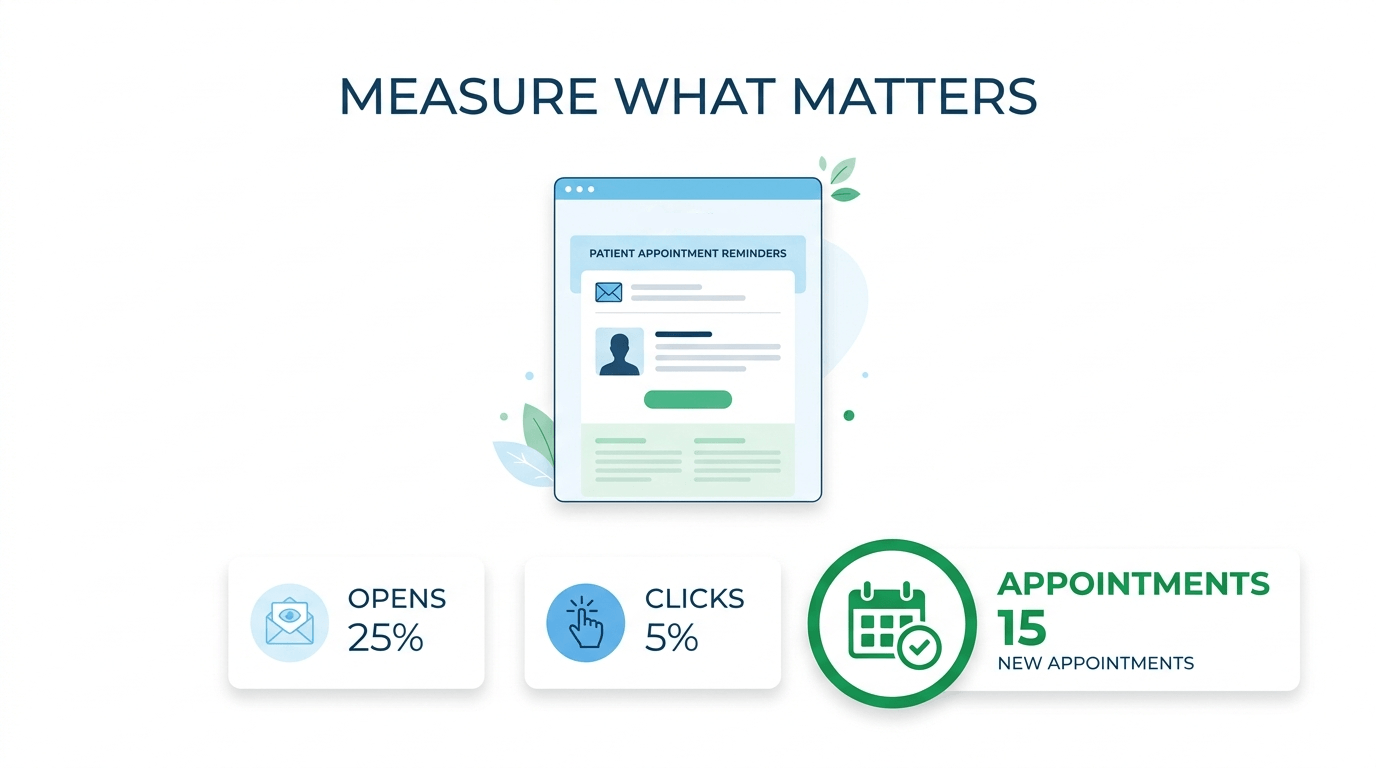
Successful medical email marketing requires ongoing optimization. Tracking performance metrics helps identify what is working and where improvements are needed.
Monitor metrics such as:
- Open rates
- Click-through rates
- Appointment conversions
- Unsubscribe rates
- Patient engagement levels
For example, if educational emails consistently outperform promotional emails, you may choose to increase educational content within your strategy. Continuous testing and optimization ensure long-term success.
Conclusion
Healthcare email marketing has become an essential component of modern healthcare marketing. When implemented strategically, it helps practices improve patient communication, increase retention, and strengthen trust over time.
Whether you’re managing a clinic, specialty practice, or healthcare organization, incorporating email into your patient communication strategy can support both patient satisfaction and practice growth.
FAQs
What is healthcare email marketing?
Why is email marketing important for doctors?
What is HIPAA-compliant email marketing?
What are the best email marketing strategies for doctors?
Do healthcare practices need a healthcare email marketing agency?
Let’s increase appointment bookings
At MedClicx, we help medical practices connect with more patients.

Senior Digital Marketing Strategist &
Healthcare SEO Consultant
James Walker is a Senior Digital Marketing Strategist and Healthcare SEO Consultant at MedClicx. He specializes in helping healthcare organizations and service-based businesses grow their online presence through SEO, content marketing, local SEO, AI search optimization, (GEO), technical SEO, website optimization, and digital marketing strategies.
Over the years, James has worked on improving organic visibility, lead generation, and brand authority by combining search engine optimization, website performance, content strategy, conversion optimization, and AI-ready content. His expertise also includes Google Business Profile optimization, schema markup, user experience (UX), analytics, and modern digital marketing best practices.
At MedClicx, James writes educational articles covering SEO, content marketing, digital marketing, AI search optimization, social media marketing, web design, advertising strategies, podcasts, and online business growth. His goal is to simplify complex marketing concepts and help businesses make data-driven decisions that generate sustainable long-term results.
- James Walker
- James Walker
- James Walker
- James Walker