10 Best Medical Marketing Strategies for 2026
-
 James Walker
Table of Contents:
- Medical Marketing in 2026: Strategies Modern Practices Need to Grow
- What Should a Medical Marketing Strategy Include?
- Best Medical Marketing Strategies in 2026
- The Future of Healthcare Marketing
- Final Thoughts
- FAQs
Medical Marketing in 2026: Strategies Modern Practices Need to Grow
In recent times, medical marketing has evolved beyond traditional advertising into a strategic process focused on visibility, trust, and patient experience.
From search engines and online reviews to social media and AI-powered search tools, every digital touchpoint can influence a patient’s decision.
The practices that consistently attract new patients are those that combine a strong online presence with strategies that make it easy for patients to find information, build confidence, and take action.
Whether you’re a private practice, specialty clinic, or multi-location healthcare organization, investing in the right marketing channels can drive sustainable growth.
In this guide, we’ll explore the most effective medical marketing strategies for doctors in 2026 that will help you attract more patients and stay ahead in an increasingly competitive healthcare landscape.
What Should a Medical Marketing Strategy Include?
There is no single formula for a successful medical marketing strategy. The right approach depends on your specialty, target audience, competition, and growth goals.
For example, a dermatology practice may focus on local search visibility and reputation building, while a specialty clinic may rely more on patient education and referrals.
That said, most effective health care marketing strategies share a common foundation. They combine multiple channels that work together to improve visibility, build trust, and convert prospective patients into appointments.
Because healthcare is a regulated industry, these strategies must also be implemented with strong attention to patient privacy and HIPAA-compliant marketing practices, especially when handling protected health information (PHI) or patient communications.
A well-rounded medical marketing strategy typically includes:
- A professional, patient-focused website
- Search engine optimization (SEO) to improve visibility in search results
- Local SEO and Google Business Profile optimization
- Social media marketing and video content to build trust and engagement
- Paid advertising campaigns, such as Google Ads, to capture high-intent patients
- Educational content that answers patient questions and improves authority
- Email marketing for patient communication and retention
- Online reviews and reputation management to build credibility
- Appointment scheduling systems and patient communication tools to reduce friction
- Analytics and performance tracking to measure ROI and optimize campaigns
Best Medical Marketing Strategies in 2026
1. Build a High-Converting Medical Website
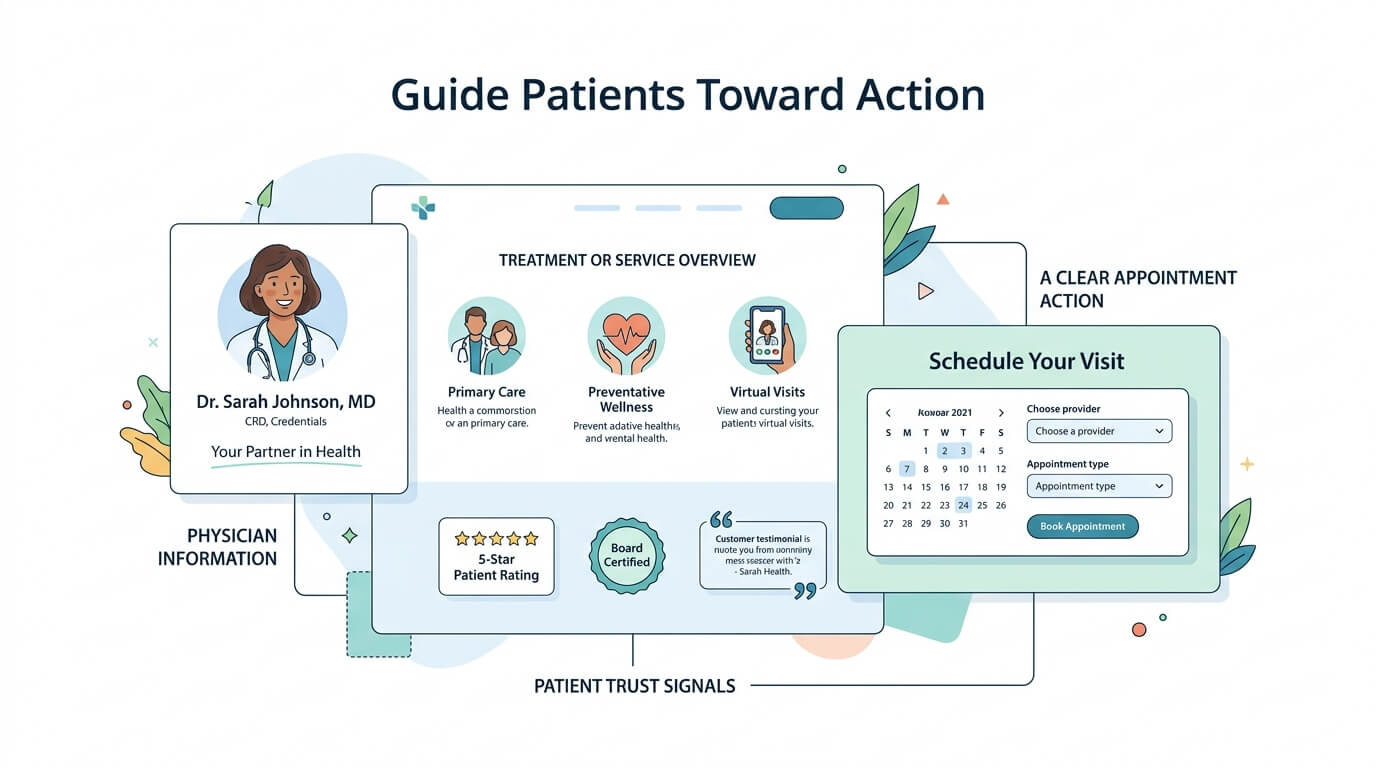
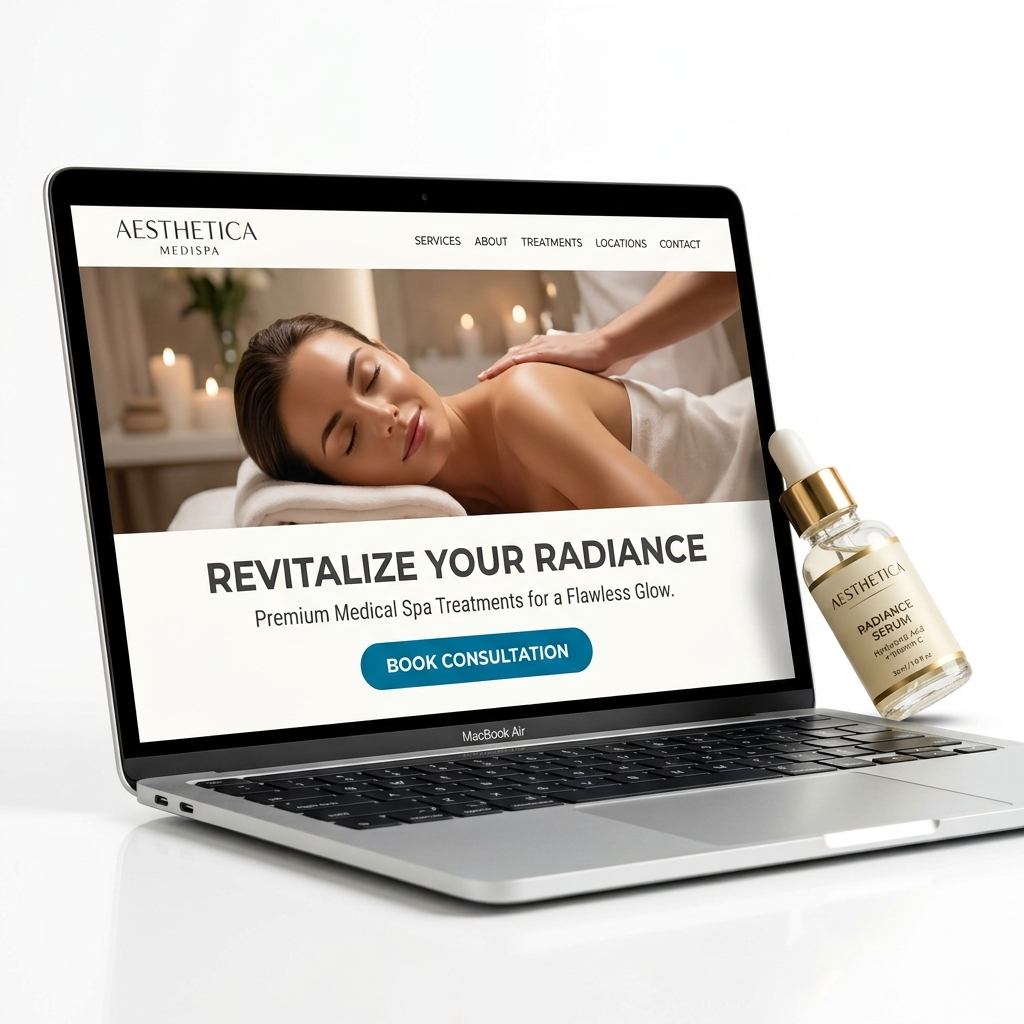
Before booking an appointment, patients judge your credibility based on how professional, clear, and easy-to-use your site feels.
In many healthcare marketing strategies, the website acts as the central hub that influences every other marketing effort.
A strong medical website clearly explains what you treat, who you are, and how patients can book an appointment without confusion.
It should be fast, mobile-friendly, HIPAA-compliant, and structured for both users and search engines. To convert visitors into patients, your website should include:
- Clear calls to action like “Book Now” or “Call Today”
- Online appointment scheduling
- Doctor bios and credentials
- Insurance information and patient resources
- Educational videos or service explanations
Trust signals such as reviews, affiliations, and certifications further reduce hesitation and increase conversions.
2. Invest in Local SEO
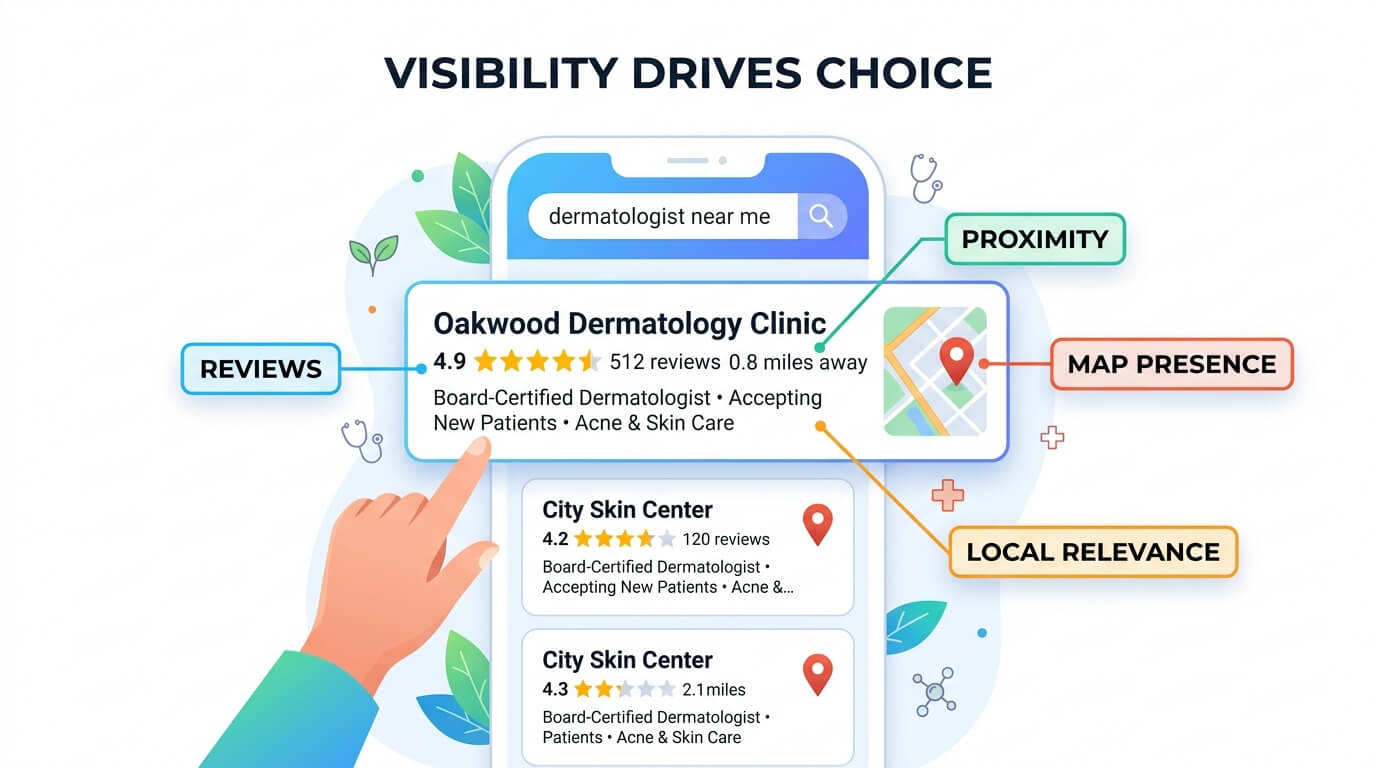
Local visibility is one of the most important drivers of patient acquisition because most people search for care near their home or workplace.
According to BrightLocal, 87% of consumers used Google to evaluate local businesses in 2023, and this trend continues to grow in healthcare.
Strong local visibility remains one of the most effective medical marketing strategies for attracting high-intent patients who are ready to book appointments.
To perform well in local search, practices need keyword-optimized service pages, dedicated location pages, and a fully optimized Google Business Profile.
These elements help your medical practice appear in searches like “dermatologist near me” or “orthopedic specialist in [city],” where patients are actively looking for immediate care.
- Key local SEO actions include:
- Optimizing your Google Business Profile with accurate details, photos, and services
- Encouraging patient reviews to improve rankings and trust
- Creating location-specific pages for multi-area practices
- Maintaining consistent NAP (Name, Address, Phone) across directories
A well-executed local SEO strategy ensures your practice appears in “near me” searches and builds long-term visibility in your market.
3. Optimize for Google AI Overviews and AI Search
AI-driven search is quickly becoming one of the most important shifts in medical clinic marketing. While these strategies are not ranked in order of importance, AI visibility is arguably one of the fastest-growing opportunities for patient acquisition in 2026 as platforms like Gemini, ChatGPT, and other AI assistants continue refining how they deliver healthcare-related answers.
Your content should be structured in a way that is easy for machines to read, interpret, and cite. In practice, this means writing content that is
- Clearly structured with descriptive headings
- Focused on answering one question at a time
- Written in concise, self-contained paragraphs
- Easy for both users and AI systems to understand
Search engines and AI platforms such as Google AI Overviews, Microsoft Copilot, ChatGPT, and Perplexity tend to favor content that provides direct, well-structured answers rather than vague or overly complex explanations.
4. Use Google Ads to Capture High-Intent Patients
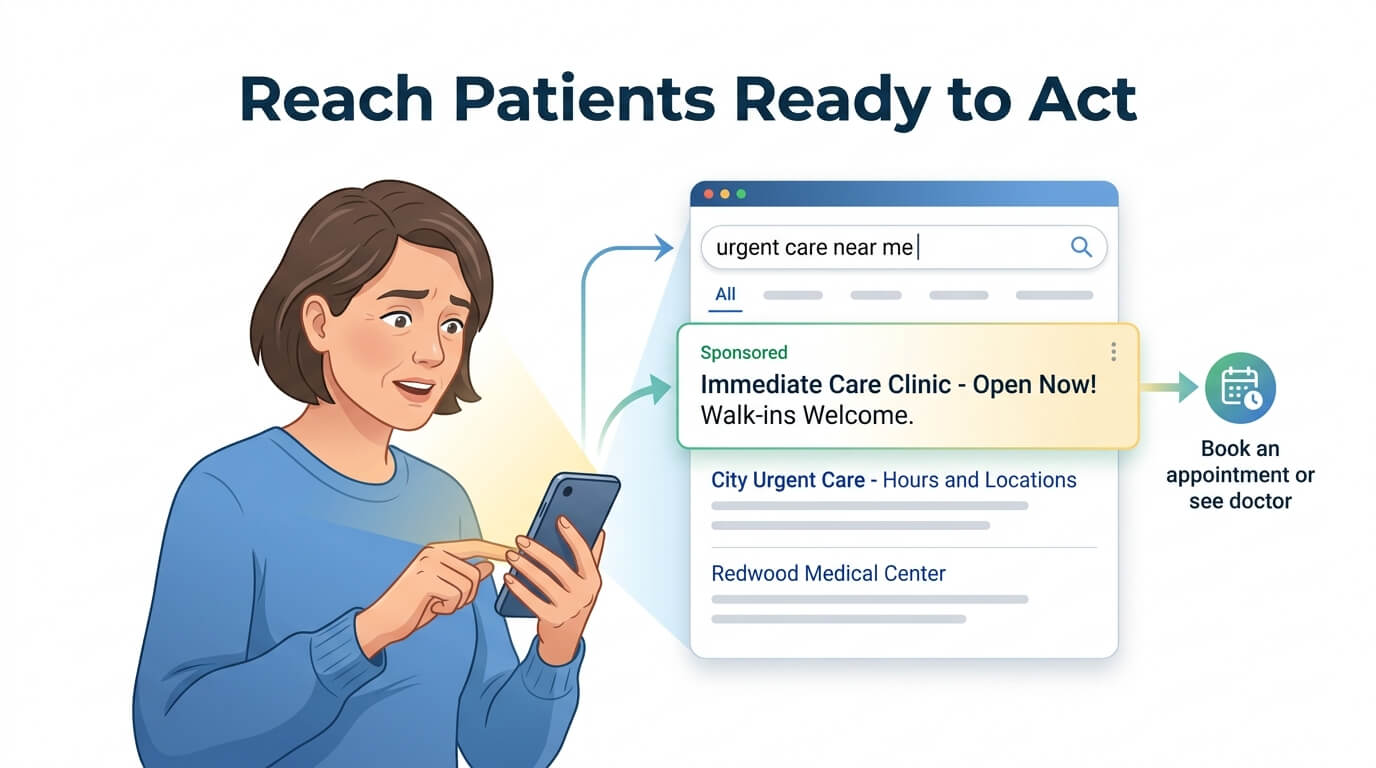
Google Ads remains one of the most effective marketing ideas for doctors because it targets patients at the exact moment they are actively searching for care.
Unlike awareness-based marketing, search ads reach users who already have intent, such as “medical spa near me” or “urgent care open now,” making them highly valuable for patient acquisition.
According to WordStream, the average conversion rate for healthcare Google Search Ads is 3.36%. But with the right setup, many practices can double this result by using better keyword targeting, stronger ad copy, and simple landing pages designed to turn visitors into appointment bookings. To get the best results, healthcare practices should focus on:
- Targeting high-intent, service-specific keywords
- Sending traffic to dedicated landing pages instead of homepages
- Using clear calls-to-action like “Book Appointment” or “Call Now”
- Tracking conversions to measure ROI accurately
5. Create Educational Content
Content plays a major role in medical marketing for doctors because patients rarely book immediately; they first search, compare, and try to understand their condition before choosing a provider.
Additionally, well-structured content improves both visibility and credibility. Search engines reward pages that clearly address patient intent. Effective content formats include:
- Blog articles answering common patient questions
- Service pages focused on specific conditions and treatments
- FAQ sections that address concerns before appointments
- Educational guides that simplify procedures and outcomes
Beyond SEO, this type of content also supports AI-driven search results by making it easier for platforms to extract and summarize your expertise.
6. Build Trust Through Reviews and Patient Testimonials
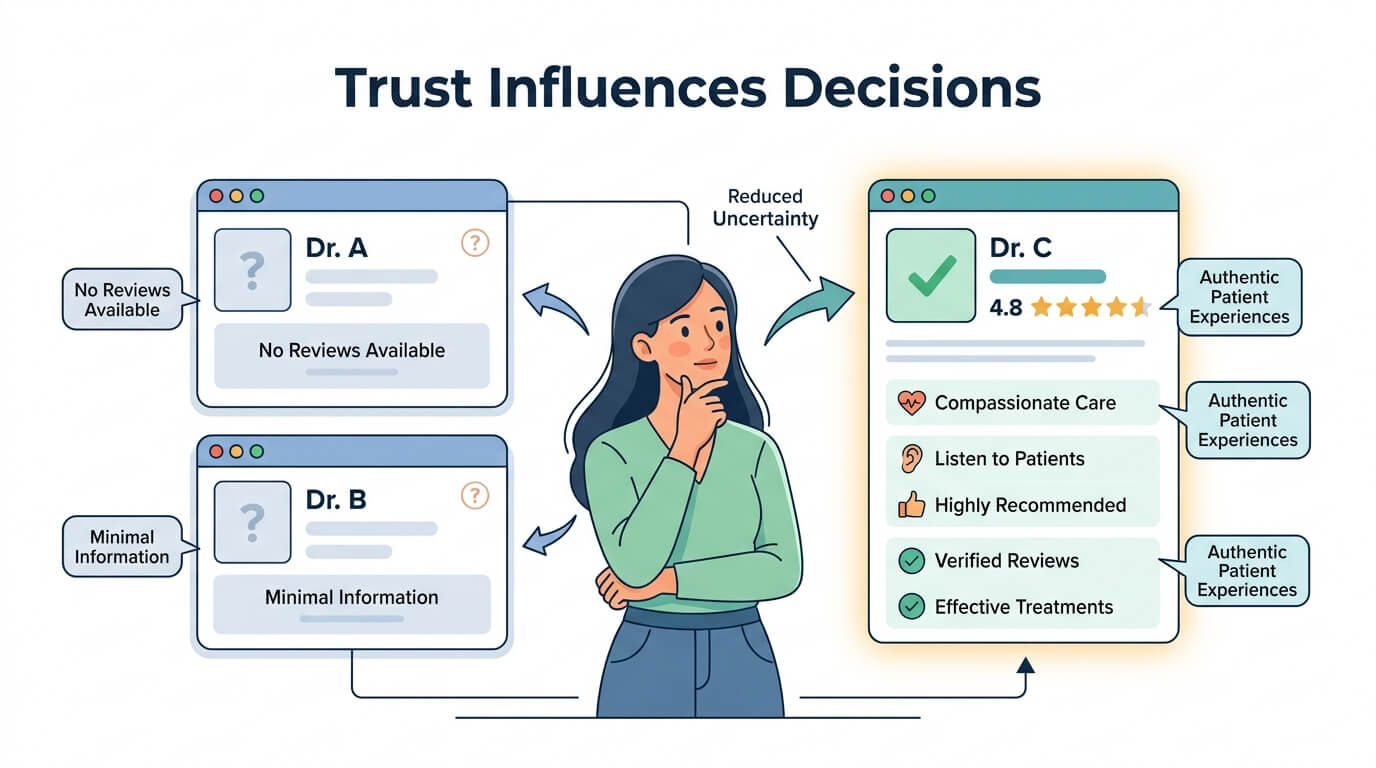
A strong reputation is a core part of any effective healthcare marketing plan, because patients rely heavily on what others say before choosing a provider.
Online reviews and testimonials often carry more weight than traditional advertising since they reflect real patient experiences.
According to a recent Rater8 report, 84% of patients check online reviews before selecting a healthcare provider, and 51% read at least six reviews before deciding to switch doctors.
To build trust and improve visibility, healthcare practices should focus on:
- Encouraging satisfied patients to leave Google reviews
- Responding professionally to both positive and negative feedback
- Showcasing testimonials on key service pages
- Using video testimonials to strengthen credibility
Reviews not only influence patient perception but also play a role in local search rankings, making them a dual-impact strategy for both trust and visibility.
Strong reputation management systems help practices maintain a consistent flow of positive feedback, which directly supports patient acquisition and long-term growth.
7. Use Video Marketing and Social Media
Healthcare social media marketing is a powerful tool for building familiarity, trust, and emotional connection with potential patients.
Short-form videos work particularly well in healthcare because they simplify complex topics and make providers feel more approachable.
Content like “what to expect” explanations, quick condition tips, clinic walkthroughs, and provider introductions can significantly improve engagement and patient confidence.
Effective approaches include:
- Educational short videos explaining common conditions or treatments
- Behind-the-scenes content that humanizes the practice
- Provider introductions to build familiarity and trust
- Patient-focused FAQs answered in simple video format
- Consistent posting across platforms like Instagram, Facebook, and LinkedIn
Social media also supports long-term visibility by keeping your practice top-of-mind for patients who may not need care immediately but will remember you when they do.
8. Reduce Patient Conversion Friction
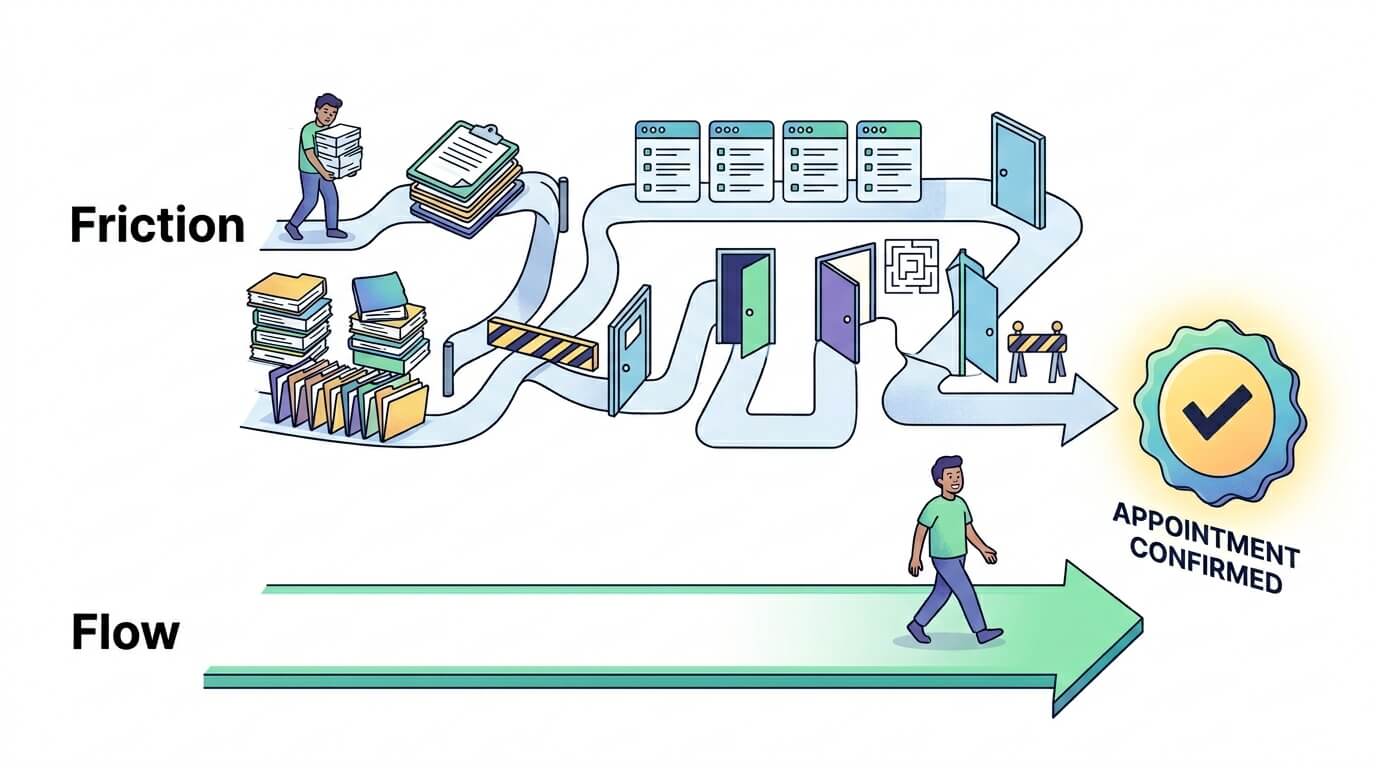
Attracting traffic is only half the job; turning that traffic into booked appointments is where many practices lose patients.
Reducing friction in the patient journey is one of the most practical healthcare marketing strategies for improving conversion rates without increasing ad spend. Key ways to reduce friction include:
- Adding online appointment scheduling
- Ensuring clear and visible “Book Appointment” buttons
- Using AI chat or instant response tools for common questions
- Reducing form length and unnecessary steps
- Making contact information easy to find on every page
The goal is to remove hesitation at every stage of the decision-making process so patients can move from interest to action in as few clicks as possible.
Even small improvements in usability can lead to noticeable increases in booked appointments and overall patient acquisition.
9. Email Marketing to Improve Retention
Email remains one of the most cost-effective tools in healthcare because it allows practices to stay connected with patients beyond their visit.
In medical marketing strategies, retention is just as important as acquisition, and email plays a key role in keeping your practice top-of-mind.
Patients often forget follow-ups, delay routine care, or simply need reminders to return. Email helps bridge this gap by maintaining ongoing communication in a simple and scalable way.
Effective email campaigns include:
- Appointment reminders and follow-up messages
- Monthly health tips and educational newsletters
- Reactivation emails for inactive patients
- Updates on new services or providers
When done correctly, email marketing improves patient loyalty while also increasing repeat visits and long-term value per patient. It also supports a more consistent patient flow without relying entirely on paid acquisition channels.
10. Track the Right Healthcare Marketing Metrics
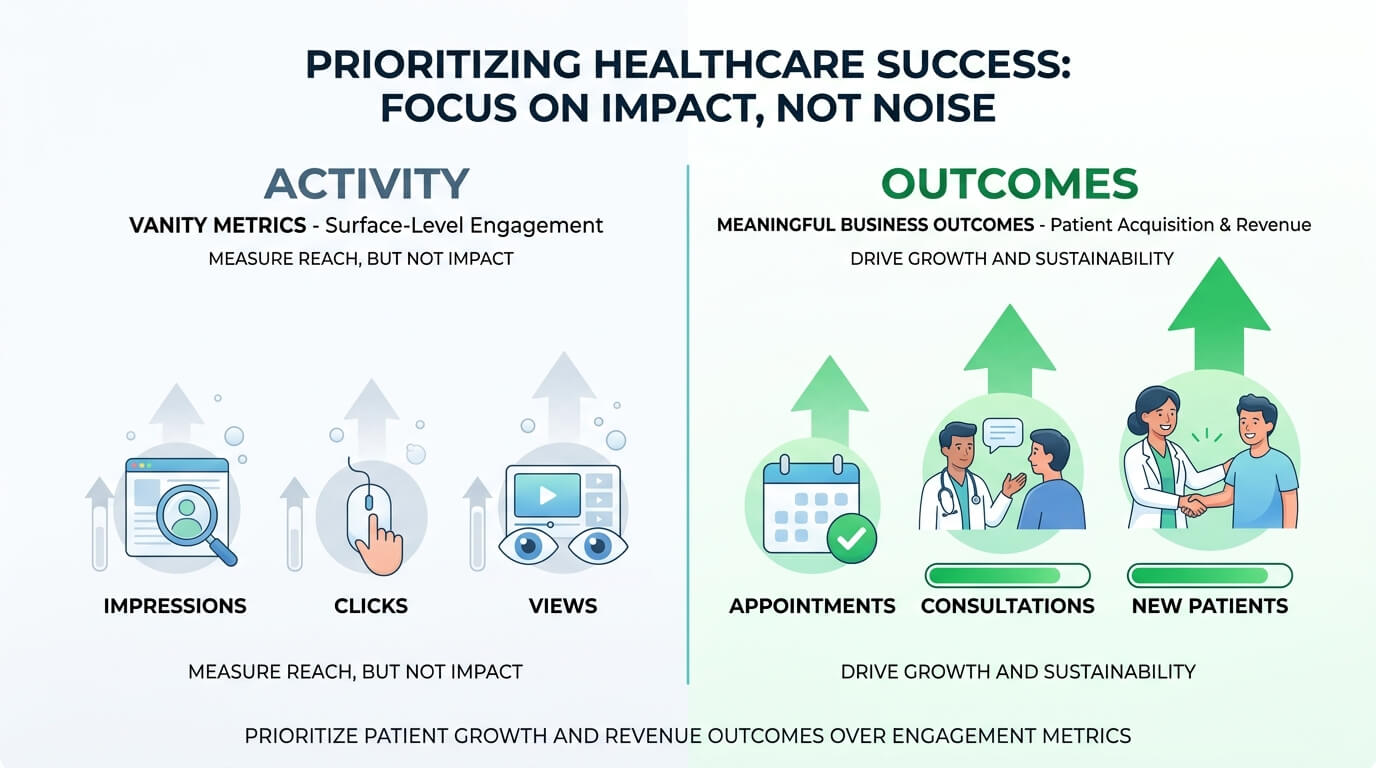
Effective growth in healthcare doesn’t come from guesswork; it comes from tracking the right data and making informed decisions.
One of the most overlooked healthcare marketing strategies is proper performance measurement, even though it directly impacts ROI.
Without clear analytics, it’s difficult to know which channels are actually driving appointments and which are wasting budget. Key metrics to track include:
- Cost per patient acquisition (CPA)
- Conversion rates by channel (SEO, ads, social)
- Appointment request volume
- Lead-to-patient conversion rate
- Return on ad spend (ROAS)
- Source attribution for new patients
By consistently monitoring these metrics, practices can identify what’s working, eliminate underperforming efforts, and scale high-performing campaigns.
The Future of Healthcare Marketing
The future of healthcare growth is becoming more integrated, data-driven, and patient-centric. As AI-powered search, automation, and personalization continue to evolve, practices will need to focus more on delivering instant answers, seamless digital experiences, and consistent trust-building across every channel.
Patients will expect faster access to information, easier booking systems, and more personalized communication from the first search to post-visit follow-up.
This shift is especially important in competitive specialties like dermatology, orthopedics, ophthalmology, fertility care, ENT, urology, plastic surgery, and private equity, where patients often compare multiple providers before making a decision.
Final Thoughts
Healthcare growth in 2026 depends on building a connected system, not relying on isolated tactics. From search visibility to reviews, content, and seamless booking, every touchpoint influences whether a patient chooses your practice.
The most successful clinics combine strong SEO, paid advertising, content, and user experience into one consistent strategy that drives predictable patient growth.
At its core, effective medical marketing strategies focus on making it easy for patients to find, trust, and book with your practice in a competitive digital landscape.
FAQs
What is medical marketing, and why is it important?
What are the most effective medical marketing strategies in 2026?
How does SEO help healthcare practices get more patients?
Are Google Ads worth it for medical practices?
How important are online reviews for doctors?
How does AI affect healthcare marketing?
What is the best way to get more patients online?
Let’s increase appointment bookings
At MedClicx, we help medical practices connect with more patients.

Senior Digital Marketing Strategist &
Healthcare SEO Consultant
James Walker is a Senior Digital Marketing Strategist and Healthcare SEO Consultant at MedClicx. He specializes in helping healthcare organizations and service-based businesses grow their online presence through SEO, content marketing, local SEO, AI search optimization, (GEO), technical SEO, website optimization, and digital marketing strategies.
Over the years, James has worked on improving organic visibility, lead generation, and brand authority by combining search engine optimization, website performance, content strategy, conversion optimization, and AI-ready content. His expertise also includes Google Business Profile optimization, schema markup, user experience (UX), analytics, and modern digital marketing best practices.
At MedClicx, James writes educational articles covering SEO, content marketing, digital marketing, AI search optimization, social media marketing, web design, advertising strategies, podcasts, and online business growth. His goal is to simplify complex marketing concepts and help businesses make data-driven decisions that generate sustainable long-term results.
- James Walker
- James Walker
- James Walker
- James Walker